Buy c-a-n.eu ?
We are moving the project
c-a-n.eu .
Are you interested in purchasing the domain
c-a-n.eu ?
domain@kv-gmbh.de · 0541-91531010
Buy c-a-n.eu ?
How can one label DNA replication?
DNA replication can be labeled by incorporating a radioactive or fluorescent nucleotide into the newly synthesized DNA strands. This can be achieved by adding the labeled nucleotide to the culture medium of cells undergoing replication. The labeled nucleotide will be incorporated into the growing DNA strands, allowing the visualization and tracking of the replication process. Additionally, techniques such as autoradiography or fluorescence microscopy can be used to detect and analyze the labeled DNA strands. **
What is the label of DNA replication?
The label of DNA replication is known as semi-conservative replication. This term refers to the process by which each new DNA molecule formed during replication contains one original parental strand and one newly synthesized daughter strand. This mechanism ensures the accurate transmission of genetic information from one generation to the next. **

Similar search terms for DNA
Top-Angebote
Products related to DNA:
-
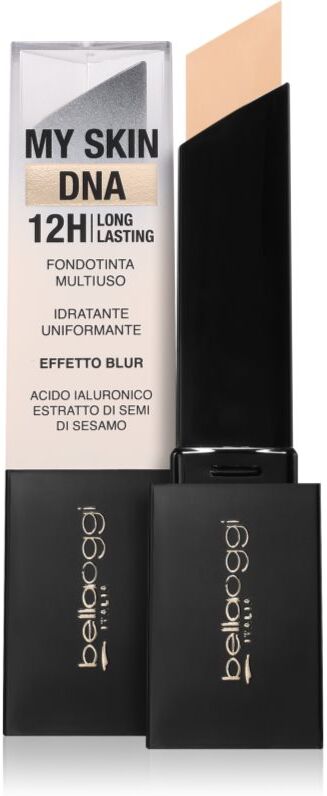
bellaoggi My Skin DNA creamy long-lasting foundation in a stick shade 10C Sand 10 mlbellaoggi My Skin DNA, 10 ml, Foundations for Women, Flawless skin is fundamental to every look, whether you’re going for bold evening makeup or very natural daytime makeup. And that’s where the bellaoggi My Skin DNA foundation can help. It blends in seamlessly with your skin and takes care of a perfectly even skin tone. Thanks to its coverage, it masks minor skin imperfections, such as hyperpigmentation, redness or acne marks, instantly. You’ll achieve an even skin tone in just a moment, and that will serve as an excellent base for any other makeup. Characteristics: long-lasting effect evens skin tone hydrates helps mask skin imperfections does not clog pores How to use: Apply foundation to all base points on the face, forehead, cheeks and chin.4,25 £*Shipping: 3,99 £Secure redirect to the provider
-
Icon Books Junk DNA: A Journey Through the Dark Matter of the Genome by Nessa CareyFor decades, 98 per cent of our DNA was written off as junk on the grounds that it did not code for proteins.From rare genetic diseases to Down s Syndrome, from viral infections to the ageing process, only now are the effects and the vital functions of these junk regions beginning to emerge.Scientists rapidly growing knowledge of this often controversial field has already provided a successful cure for blindness and saved innocent people from death row via DNA fingerprinting, and looks set to revolutionise treatment for many medical conditions including obesity.From Nessa Carey, author of the acclaimed The Epigenetics Revolution, this is the first book for a general readership on a subject that may underpin the secrets of human complexity even the very origins of life on earth.6,45 £*Shipping: 2,99 £Secure redirect to the provider



-
How do you draw and label a DNA molecule?
To draw a DNA molecule, start by drawing a long, twisted ladder shape with two parallel lines representing the sugar-phosphate backbone. Then, add horizontal lines connecting the two backbones to represent the nitrogenous bases. Label each base (adenine, thymine, cytosine, or guanine) on the appropriate line. Finally, label the 5' and 3' ends of the DNA molecule to indicate the directionality of the strands. **
-
Does dinosaur DNA cross with human DNA?
No, dinosaur DNA does not cross with human DNA. This is because dinosaurs and humans are from completely different evolutionary lineages and are separated by millions of years of evolution. Additionally, dinosaur DNA has not been found intact, as it degrades over time, making it impossible to cross with human DNA. Therefore, there is no scientific evidence to support the idea that dinosaur DNA can cross with human DNA. **
-
What can DNA companies do with my DNA?
DNA companies can use your DNA for a variety of purposes, including ancestry testing, genetic health risk assessments, and research. They may also share your genetic data with third-party partners for research and development purposes, as well as for law enforcement purposes in the case of criminal investigations. It's important to carefully review the privacy policies of DNA companies to understand how your genetic information may be used and shared. **
-
How many DNA molecules carry a radioactive label after 8 PCR cycles?
After 8 PCR cycles, there will be 256 DNA molecules carrying a radioactive label. This is because each PCR cycle doubles the amount of DNA, so after 8 cycles, there will be 2^8 (or 256) DNA molecules. If the original DNA molecule was labeled with radioactivity, then all 256 of the resulting DNA molecules will also carry the radioactive label. **


What is DNA, what is DNA made of, and what are the functions of DNA?
DNA, or deoxyribonucleic acid, is a molecule that carries the genetic instructions for the development, functioning, growth, and reproduction of all known living organisms and many viruses. DNA is made up of two long chains of nucleotides twisted into a double helix. Each nucleotide consists of a sugar, a phosphate group, and a nitrogenous base. The functions of DNA include storing and transmitting genetic information, providing the instructions for building and maintaining an organism, and allowing for the inheritance of traits from one generation to the next. **
What is the difference between a DNA segment and a DNA sequence?
A DNA segment refers to a specific portion of DNA that may contain multiple genes or regulatory elements. It can range in size from a few base pairs to millions of base pairs. On the other hand, a DNA sequence refers to the specific order of nucleotides (A, T, C, and G) within a segment of DNA. In other words, a DNA segment is the physical portion of DNA, while a DNA sequence is the specific arrangement of nucleotides within that segment. **
Top-Angebote
Products related to DNA:
-
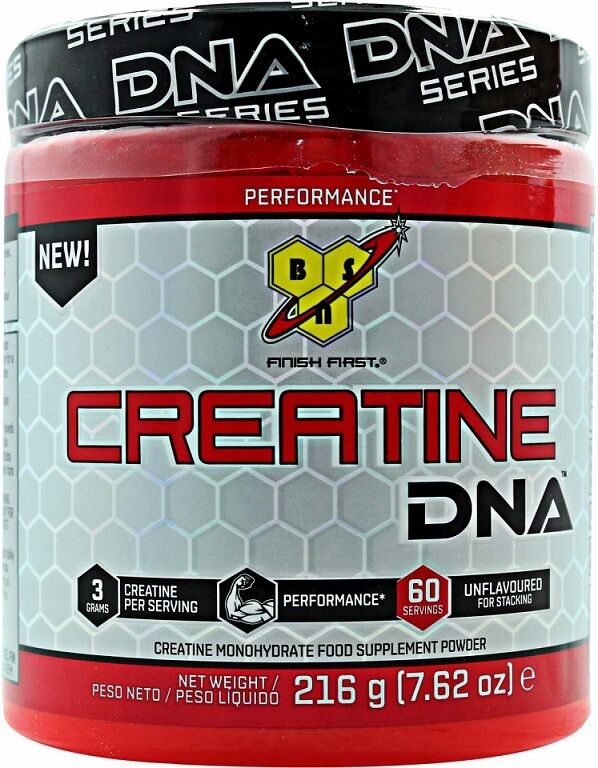
BSN Creatine Dna Unflavored 216 gr 216 grNutrition and Supplements Proteins and creatine BSN Creatine Dna Unflavored 216 gr 216 gr Customize your supplement stack with the all-new BSN DNA Series. Supplementing with creatine monohydrate can help replenish your creatine stores, an ingredient found naturally in foods like red meat. Creatine helps fuel your muscles during periods of high-intensity exercise. BSN Creatine DNA provides 3 grams of pure micronised creatine per serving. With unflavoured versatility, Creatine DNA may be added to your post-workout shake or favourite beverage.19,40 £*Shipping: 3,99 £Secure redirect to the provider
-
bellaoggi My Skin DNA creamy long-lasting foundation in a stick shade 10C Sand 10 mlbellaoggi My Skin DNA, 10 ml, Foundations for Women, Flawless skin is fundamental to every look, whether you’re going for bold evening makeup or very natural daytime makeup. And that’s where the bellaoggi My Skin DNA foundation can help. It blends in seamlessly with your skin and takes care of a perfectly even skin tone. Thanks to its coverage, it masks minor skin imperfections, such as hyperpigmentation, redness or acne marks, instantly. You’ll achieve an even skin tone in just a moment, and that will serve as an excellent base for any other makeup. Characteristics: long-lasting effect evens skin tone hydrates helps mask skin imperfections does not clog pores How to use: Apply foundation to all base points on the face, forehead, cheeks and chin.4,25 £*Shipping: 3,99 £Secure redirect to the provider
-
Icon Books Junk DNA: A Journey Through the Dark Matter of the Genome by Nessa CareyFor decades, 98 per cent of our DNA was written off as junk on the grounds that it did not code for proteins.From rare genetic diseases to Down s Syndrome, from viral infections to the ageing process, only now are the effects and the vital functions of these junk regions beginning to emerge.Scientists rapidly growing knowledge of this often controversial field has already provided a successful cure for blindness and saved innocent people from death row via DNA fingerprinting, and looks set to revolutionise treatment for many medical conditions including obesity.From Nessa Carey, author of the acclaimed The Epigenetics Revolution, this is the first book for a general readership on a subject that may underpin the secrets of human complexity even the very origins of life on earth.6,45 £*Shipping: 2,99 £Secure redirect to the provider
-
How can one label DNA replication?
DNA replication can be labeled by incorporating a radioactive or fluorescent nucleotide into the newly synthesized DNA strands. This can be achieved by adding the labeled nucleotide to the culture medium of cells undergoing replication. The labeled nucleotide will be incorporated into the growing DNA strands, allowing the visualization and tracking of the replication process. Additionally, techniques such as autoradiography or fluorescence microscopy can be used to detect and analyze the labeled DNA strands. **
-
What is the label of DNA replication?
The label of DNA replication is known as semi-conservative replication. This term refers to the process by which each new DNA molecule formed during replication contains one original parental strand and one newly synthesized daughter strand. This mechanism ensures the accurate transmission of genetic information from one generation to the next. **
-
How do you draw and label a DNA molecule?
To draw a DNA molecule, start by drawing a long, twisted ladder shape with two parallel lines representing the sugar-phosphate backbone. Then, add horizontal lines connecting the two backbones to represent the nitrogenous bases. Label each base (adenine, thymine, cytosine, or guanine) on the appropriate line. Finally, label the 5' and 3' ends of the DNA molecule to indicate the directionality of the strands. **
-
Does dinosaur DNA cross with human DNA?
No, dinosaur DNA does not cross with human DNA. This is because dinosaurs and humans are from completely different evolutionary lineages and are separated by millions of years of evolution. Additionally, dinosaur DNA has not been found intact, as it degrades over time, making it impossible to cross with human DNA. Therefore, there is no scientific evidence to support the idea that dinosaur DNA can cross with human DNA. **
Similar search terms for DNA
-
bellaoggi My Skin DNA creamy long-lasting foundation in a stick shade 15C - Cookie 10 mlbellaoggi My Skin DNA, 10 ml, Foundations for Women, Flawless skin is fundamental to every look, whether you’re going for bold evening makeup or very natural daytime makeup. And that’s where the bellaoggi My Skin DNA foundation can help. It blends in seamlessly with your skin and takes care of a perfectly even skin tone. Thanks to its coverage, it masks minor skin imperfections, such as hyperpigmentation, redness or acne marks, instantly. You’ll achieve an even skin tone in just a moment, and that will serve as an excellent base for any other makeup. Characteristics: long-lasting effect evens skin tone hydrates helps mask skin imperfections does not clog pores How to use: Apply foundation to all base points on the face, forehead, cheeks and chin.4,25 £*Shipping: 3,99 £Secure redirect to the provider
-
What can DNA companies do with my DNA?
DNA companies can use your DNA for a variety of purposes, including ancestry testing, genetic health risk assessments, and research. They may also share your genetic data with third-party partners for research and development purposes, as well as for law enforcement purposes in the case of criminal investigations. It's important to carefully review the privacy policies of DNA companies to understand how your genetic information may be used and shared. **
-
How many DNA molecules carry a radioactive label after 8 PCR cycles?
After 8 PCR cycles, there will be 256 DNA molecules carrying a radioactive label. This is because each PCR cycle doubles the amount of DNA, so after 8 cycles, there will be 2^8 (or 256) DNA molecules. If the original DNA molecule was labeled with radioactivity, then all 256 of the resulting DNA molecules will also carry the radioactive label. **
-
What is DNA, what is DNA made of, and what are the functions of DNA?
DNA, or deoxyribonucleic acid, is a molecule that carries the genetic instructions for the development, functioning, growth, and reproduction of all known living organisms and many viruses. DNA is made up of two long chains of nucleotides twisted into a double helix. Each nucleotide consists of a sugar, a phosphate group, and a nitrogenous base. The functions of DNA include storing and transmitting genetic information, providing the instructions for building and maintaining an organism, and allowing for the inheritance of traits from one generation to the next. **
-
What is the difference between a DNA segment and a DNA sequence?
A DNA segment refers to a specific portion of DNA that may contain multiple genes or regulatory elements. It can range in size from a few base pairs to millions of base pairs. On the other hand, a DNA sequence refers to the specific order of nucleotides (A, T, C, and G) within a segment of DNA. In other words, a DNA segment is the physical portion of DNA, while a DNA sequence is the specific arrangement of nucleotides within that segment. **
* All prices are inclusive of VAT and, if applicable, plus shipping costs. The offer information is based on the details provided by the respective shop and is updated through automated processes. Real-time updates do not occur, so deviations can occur in individual cases. ** Note: Parts of this content were created by AI.