Buy c-a-n.eu ?
We are moving the project
c-a-n.eu .
Are you interested in purchasing the domain
c-a-n.eu ?
domain@kv-gmbh.de · 0541-91531010
Buy c-a-n.eu ?
What is the difference between Docker and a container?
Docker is a platform that allows you to build, package, and distribute applications and their dependencies in a standardized way. It uses containers to achieve this. A container, on the other hand, is a lightweight, standalone, and executable package that includes everything needed to run a piece of software, including the code, runtime, system tools, system libraries, and settings. In summary, Docker is a platform for managing containers, while a container is a self-contained unit that holds everything needed to run an application. **
How can I use an application in a Docker container?
To use an application in a Docker container, you first need to create a Docker image that contains the application and its dependencies. This can be done by writing a Dockerfile that specifies the base image, installs the necessary dependencies, and copies the application code into the image. Once the image is built, you can run a container from the image using the `docker run` command, specifying any necessary environment variables, ports, and volumes. The application will then run within the container, isolated from the host system and other containers. **

Similar search terms for Docker
Top-Angebote
Products related to Docker:
-
Inspire Essentials Aluminum Candle Tin Jar Refillable Cosmetic Storage Container With Lid 8Keep your small essentials neatly stored and beautifully organized with this versatile candle tin jar designed for everyday convenience. Crafted from lightweight aluminum, this durable container offers a clean and practical way to store candles,...34,98 $*Shipping: 0,00 $Secure redirect to the provider
-
Inspire Essentials Aluminum Candle Tin Jar Refillable Cosmetic Storage Container With Lid 5Keep your small essentials neatly stored and beautifully organized with this versatile candle tin jar designed for everyday convenience. Crafted from lightweight aluminum, this durable container offers a clean and practical way to store candles,...34,98 $*Shipping: 0,00 $Secure redirect to the provider
-
Inspire Essentials Aluminum Candle Tin Jar Refillable Cosmetic Storage Container With Lid 7Keep your small essentials neatly stored and beautifully organized with this versatile candle tin jar designed for everyday convenience. Crafted from lightweight aluminum, this durable container offers a clean and practical way to store candles,...34,98 $*Shipping: 0,00 $Secure redirect to the provider
-
Inspire Essentials Aluminum Candle Tin Jar Refillable Cosmetic Storage Container With Lid 9Keep your small essentials neatly stored and beautifully organized with this versatile candle tin jar designed for everyday convenience. Crafted from lightweight aluminum, this durable container offers a clean and practical way to store candles,...34,98 $*Shipping: 0,00 $Secure redirect to the provider




-
What is the difference between a Docker image and a container?
A Docker image is a read-only template that contains a set of instructions for creating a container. It includes the application code, runtime, libraries, and dependencies needed to run the application. On the other hand, a container is a runnable instance of a Docker image. It is created from an image and can be started, stopped, moved, and deleted. In essence, the image is like a blueprint, while the container is the actual running instance based on that blueprint. **
-
How can one reduce the memory consumption of a Docker container?
One can reduce the memory consumption of a Docker container by optimizing the size of the container image. This can be done by using a smaller base image, removing unnecessary files and dependencies, and using multi-stage builds to reduce the final image size. Additionally, setting memory limits for the container using the `--memory` flag when running the container can help prevent it from consuming excessive memory. Finally, optimizing the application running inside the container to be more memory-efficient can also help reduce memory consumption. **
-
How do I connect a Docker container to my local network?
To connect a Docker container to your local network, you can use the `--network` flag when running the container. You can create a bridge network using the `docker network create` command and then use the `--network` flag to connect the container to that network. Alternatively, you can use the `--network=host` flag to connect the container directly to the host network. Once the container is connected to the local network, it will be able to communicate with other devices on the network using its assigned IP address. **
-
How can one reduce the memory usage of a Docker container?
One can reduce the memory usage of a Docker container by optimizing the size of the container image. This can be achieved by using a smaller base image, removing unnecessary files and dependencies, and using multi-stage builds to reduce the final image size. Additionally, setting memory limits for the container using the `--memory` flag when running the container can help prevent it from consuming excessive memory. Finally, optimizing the application code to be more memory-efficient can also help reduce memory usage within the container. **


How do I exit the editor in a Linux Docker container?
To exit the editor in a Linux Docker container, you can use the following steps: 1. If you are using the vi or vim editor, press the Esc key to ensure you are in command mode. 2. Then, type :q and press Enter to exit the editor. 3. If you have made changes and want to save them before exiting, you can type :wq and press Enter to save and exit. If you are using a different editor, you can typically exit by pressing Ctrl + X or by typing :q and pressing Enter. **
What is the difference between docker kill and docker stop?
The main difference between `docker kill` and `docker stop` is how they handle the termination of a container. When you use `docker stop`, it sends a SIGTERM signal to the container, allowing it to gracefully stop by executing any shutdown procedures. On the other hand, `docker kill` sends a SIGKILL signal to the container, forcing it to immediately stop without any cleanup. In summary, `docker stop` gives the container a chance to clean up and exit gracefully, while `docker kill` forcefully terminates the container. **
Top-Angebote
Products related to Docker:
-
Portfolio Penguin Find Your Why by Simon Sinek, David Mead & Peter Docker - Paperback - Practical Guide to Discovering Purpose - Start With Why Follow-Up - AdultDiscover your purpose with this practical guide by Simon Sinek. Find Your Why is the companion to his global phenomenon Start With Why, co-written with David Mead and Peter Docker. This book walks readers through the process of uncovering their purpose, providing exercises and clear action steps to help individuals, teams, and organizations gain greater clarity and motivation. With millions of readers inspired by Start With Why, this book answers the challenge of finding one's purpose, co-written by Simon Sinek alongside long-time collaborators David Mead and Peter Docker.10,99 £*Shipping: 2,99 £Secure redirect to the provider
-
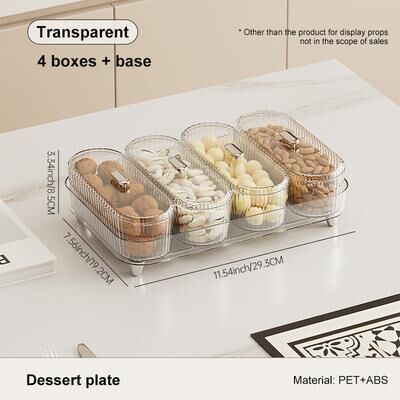
Rare Purchases Simple Style Nut And Dry Fruit Container With Lid, A Piece Of Home Living Fruit Bowl For Living Room transparentTransform your living space with A Piece of Home Living Fruit Bowl, the perfect blend of style and practicality. This simple style nut and dry fruit container with a lid adds a touch of elegance to any room while keeping your snacks organized and...56,97 $*Shipping: 0,00 $Secure redirect to the provider
-
Inspire Essentials Aluminum Candle Tin Jar Refillable Cosmetic Storage Container With Lid 8Keep your small essentials neatly stored and beautifully organized with this versatile candle tin jar designed for everyday convenience. Crafted from lightweight aluminum, this durable container offers a clean and practical way to store candles,...34,98 $*Shipping: 0,00 $Secure redirect to the provider
-
Inspire Essentials Aluminum Candle Tin Jar Refillable Cosmetic Storage Container With Lid 5Keep your small essentials neatly stored and beautifully organized with this versatile candle tin jar designed for everyday convenience. Crafted from lightweight aluminum, this durable container offers a clean and practical way to store candles,...34,98 $*Shipping: 0,00 $Secure redirect to the provider
-
What is the difference between Docker and a container?
Docker is a platform that allows you to build, package, and distribute applications and their dependencies in a standardized way. It uses containers to achieve this. A container, on the other hand, is a lightweight, standalone, and executable package that includes everything needed to run a piece of software, including the code, runtime, system tools, system libraries, and settings. In summary, Docker is a platform for managing containers, while a container is a self-contained unit that holds everything needed to run an application. **
-
How can I use an application in a Docker container?
To use an application in a Docker container, you first need to create a Docker image that contains the application and its dependencies. This can be done by writing a Dockerfile that specifies the base image, installs the necessary dependencies, and copies the application code into the image. Once the image is built, you can run a container from the image using the `docker run` command, specifying any necessary environment variables, ports, and volumes. The application will then run within the container, isolated from the host system and other containers. **
-
What is the difference between a Docker image and a container?
A Docker image is a read-only template that contains a set of instructions for creating a container. It includes the application code, runtime, libraries, and dependencies needed to run the application. On the other hand, a container is a runnable instance of a Docker image. It is created from an image and can be started, stopped, moved, and deleted. In essence, the image is like a blueprint, while the container is the actual running instance based on that blueprint. **
-
How can one reduce the memory consumption of a Docker container?
One can reduce the memory consumption of a Docker container by optimizing the size of the container image. This can be done by using a smaller base image, removing unnecessary files and dependencies, and using multi-stage builds to reduce the final image size. Additionally, setting memory limits for the container using the `--memory` flag when running the container can help prevent it from consuming excessive memory. Finally, optimizing the application running inside the container to be more memory-efficient can also help reduce memory consumption. **
Similar search terms for Docker
-
Inspire Essentials Aluminum Candle Tin Jar Refillable Cosmetic Storage Container With Lid 7Keep your small essentials neatly stored and beautifully organized with this versatile candle tin jar designed for everyday convenience. Crafted from lightweight aluminum, this durable container offers a clean and practical way to store candles,...34,98 $*Shipping: 0,00 $Secure redirect to the provider
-
Inspire Essentials Aluminum Candle Tin Jar Refillable Cosmetic Storage Container With Lid 9Keep your small essentials neatly stored and beautifully organized with this versatile candle tin jar designed for everyday convenience. Crafted from lightweight aluminum, this durable container offers a clean and practical way to store candles,...34,98 $*Shipping: 0,00 $Secure redirect to the provider
-
Inspire Essentials Aluminum Candle Tin Jar Refillable Cosmetic Storage Container With Lid 10Keep your small essentials neatly stored and beautifully organized with this versatile candle tin jar designed for everyday convenience. Crafted from lightweight aluminum, this durable container offers a clean and practical way to store candles,...34,98 $*Shipping: 0,00 $Secure redirect to the provider
-
Inspire Essentials Aluminum Candle Tin Jar Refillable Cosmetic Storage Container With Lid 3Keep your small essentials neatly stored and beautifully organized with this versatile candle tin jar designed for everyday convenience. Crafted from lightweight aluminum, this durable container offers a clean and practical way to store candles,...34,98 $*Shipping: 0,00 $Secure redirect to the provider
-
How do I connect a Docker container to my local network?
To connect a Docker container to your local network, you can use the `--network` flag when running the container. You can create a bridge network using the `docker network create` command and then use the `--network` flag to connect the container to that network. Alternatively, you can use the `--network=host` flag to connect the container directly to the host network. Once the container is connected to the local network, it will be able to communicate with other devices on the network using its assigned IP address. **
-
How can one reduce the memory usage of a Docker container?
One can reduce the memory usage of a Docker container by optimizing the size of the container image. This can be achieved by using a smaller base image, removing unnecessary files and dependencies, and using multi-stage builds to reduce the final image size. Additionally, setting memory limits for the container using the `--memory` flag when running the container can help prevent it from consuming excessive memory. Finally, optimizing the application code to be more memory-efficient can also help reduce memory usage within the container. **
-
How do I exit the editor in a Linux Docker container?
To exit the editor in a Linux Docker container, you can use the following steps: 1. If you are using the vi or vim editor, press the Esc key to ensure you are in command mode. 2. Then, type :q and press Enter to exit the editor. 3. If you have made changes and want to save them before exiting, you can type :wq and press Enter to save and exit. If you are using a different editor, you can typically exit by pressing Ctrl + X or by typing :q and pressing Enter. **
-
What is the difference between docker kill and docker stop?
The main difference between `docker kill` and `docker stop` is how they handle the termination of a container. When you use `docker stop`, it sends a SIGTERM signal to the container, allowing it to gracefully stop by executing any shutdown procedures. On the other hand, `docker kill` sends a SIGKILL signal to the container, forcing it to immediately stop without any cleanup. In summary, `docker stop` gives the container a chance to clean up and exit gracefully, while `docker kill` forcefully terminates the container. **
* All prices are inclusive of VAT and, if applicable, plus shipping costs. The offer information is based on the details provided by the respective shop and is updated through automated processes. Real-time updates do not occur, so deviations can occur in individual cases. ** Note: Parts of this content were created by AI.