Buy c-a-n.eu ?
We are moving the project
c-a-n.eu .
Are you interested in purchasing the domain
c-a-n.eu ?
domain@kv-gmbh.de · 0541-91531010
Buy c-a-n.eu ?
What does L and N mean in electrical cables?
In electrical cables, L stands for Line or Live wire, which carries the current from the source to the load. N stands for Neutral wire, which provides a return path for the current to flow back to the source. The L and N wires are part of the standard wiring system used in many countries to ensure the safe and efficient distribution of electrical power. **
Can I prevent an electrical short circuit with aluminum?
Aluminum is a good conductor of electricity, so using it to prevent an electrical short circuit is not recommended. In fact, using aluminum in electrical wiring can increase the risk of short circuits and other electrical hazards. It is best to use materials that are specifically designed for electrical insulation and safety, such as copper or other approved wiring materials, to prevent short circuits. Additionally, proper installation and maintenance of electrical systems are essential in preventing short circuits. **

Similar search terms for Electrical
Top-Angebote
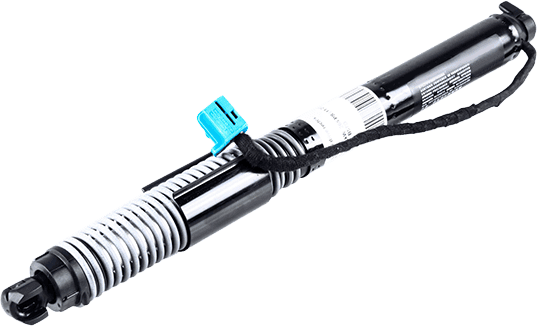
Products related to Electrical:
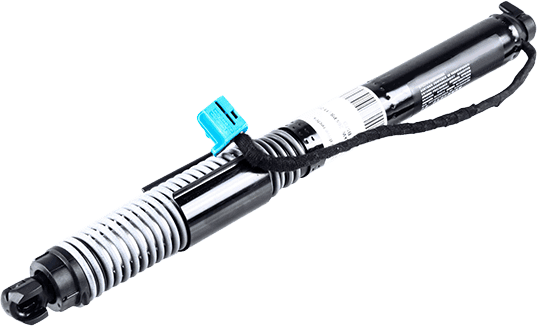
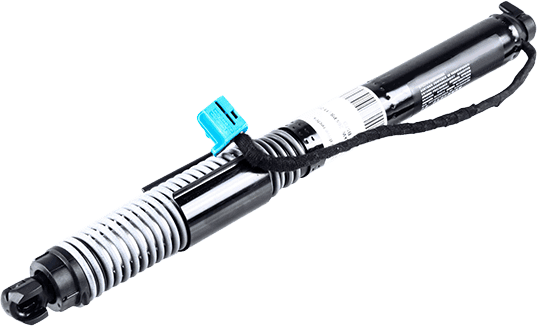
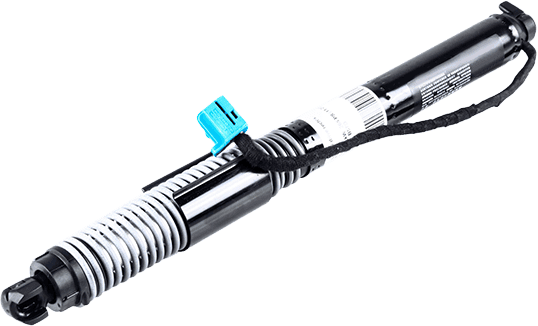

-
What happens if you remove a seal from the electrical box?
If you remove a seal from an electrical box, it can compromise the safety and integrity of the box. The seal is designed to prevent moisture, dust, and other contaminants from entering the box and potentially causing a short circuit or other electrical hazards. Additionally, removing a seal may also violate building codes and regulations, which could result in fines or other consequences. It is important to always follow proper procedures and regulations when working with electrical equipment to ensure safety and compliance. **
-
'Aluminum or plastic lid?'
When choosing between an aluminum or plastic lid, it is important to consider the intended use and environmental impact. Aluminum lids are more durable and can be recycled, making them a more sustainable option. However, plastic lids are lightweight and often more cost-effective. Ultimately, the decision between aluminum or plastic lids will depend on individual preferences and priorities. **
-
Aluminum or plastic lid?
When choosing between an aluminum or plastic lid, it depends on the specific use and preferences. Aluminum lids are more durable and can withstand higher temperatures, making them suitable for cooking or baking. On the other hand, plastic lids are lightweight, easy to clean, and often more affordable, making them a good choice for food storage containers or disposable items. Ultimately, the decision between aluminum or plastic lids will depend on the intended use and personal preferences. **
-
Why are electrical conductors often made of aluminum or copper?
Electrical conductors are often made of aluminum or copper because these metals have high electrical conductivity, meaning they allow electric current to flow through them with minimal resistance. Both aluminum and copper are abundant, relatively inexpensive, and easy to work with, making them practical choices for electrical wiring and transmission lines. Additionally, they are both highly ductile and malleable, allowing them to be easily shaped and formed into the necessary configurations for electrical applications. **

What are the differences between electrical energy, electrical charge, and electrical voltage?
Electrical energy is the ability to do work through the movement of electric charges. It is measured in joules and is the result of the movement of electrical charges through a conductor. Electrical charge is a fundamental property of matter, and it can be positive or negative. It is measured in coulombs and is the source of electrical energy. Electrical voltage, on the other hand, is the potential difference between two points in an electrical circuit. It is measured in volts and is the driving force that pushes electrical charges through a circuit. **
What are electrical quantities in an electrical circuit?
Electrical quantities in an electrical circuit are the measurable properties that describe the behavior of electricity flowing through the circuit. These quantities include voltage, current, resistance, and power. Voltage is the electrical potential difference between two points in the circuit, while current is the flow of electric charge through the circuit. Resistance is the opposition to the flow of current, and power is the rate at which electrical energy is transferred in the circuit. Understanding and measuring these electrical quantities is essential for analyzing and designing electrical circuits. **
Top-Angebote
Products related to Electrical:
-
What does L and N mean in electrical cables?
In electrical cables, L stands for Line or Live wire, which carries the current from the source to the load. N stands for Neutral wire, which provides a return path for the current to flow back to the source. The L and N wires are part of the standard wiring system used in many countries to ensure the safe and efficient distribution of electrical power. **
-
Can I prevent an electrical short circuit with aluminum?
Aluminum is a good conductor of electricity, so using it to prevent an electrical short circuit is not recommended. In fact, using aluminum in electrical wiring can increase the risk of short circuits and other electrical hazards. It is best to use materials that are specifically designed for electrical insulation and safety, such as copper or other approved wiring materials, to prevent short circuits. Additionally, proper installation and maintenance of electrical systems are essential in preventing short circuits. **
-
What happens if you remove a seal from the electrical box?
If you remove a seal from an electrical box, it can compromise the safety and integrity of the box. The seal is designed to prevent moisture, dust, and other contaminants from entering the box and potentially causing a short circuit or other electrical hazards. Additionally, removing a seal may also violate building codes and regulations, which could result in fines or other consequences. It is important to always follow proper procedures and regulations when working with electrical equipment to ensure safety and compliance. **
-
'Aluminum or plastic lid?'
When choosing between an aluminum or plastic lid, it is important to consider the intended use and environmental impact. Aluminum lids are more durable and can be recycled, making them a more sustainable option. However, plastic lids are lightweight and often more cost-effective. Ultimately, the decision between aluminum or plastic lids will depend on individual preferences and priorities. **
Similar search terms for Electrical
-
Aluminum or plastic lid?
When choosing between an aluminum or plastic lid, it depends on the specific use and preferences. Aluminum lids are more durable and can withstand higher temperatures, making them suitable for cooking or baking. On the other hand, plastic lids are lightweight, easy to clean, and often more affordable, making them a good choice for food storage containers or disposable items. Ultimately, the decision between aluminum or plastic lids will depend on the intended use and personal preferences. **
-
Why are electrical conductors often made of aluminum or copper?
Electrical conductors are often made of aluminum or copper because these metals have high electrical conductivity, meaning they allow electric current to flow through them with minimal resistance. Both aluminum and copper are abundant, relatively inexpensive, and easy to work with, making them practical choices for electrical wiring and transmission lines. Additionally, they are both highly ductile and malleable, allowing them to be easily shaped and formed into the necessary configurations for electrical applications. **
-
What are the differences between electrical energy, electrical charge, and electrical voltage?
Electrical energy is the ability to do work through the movement of electric charges. It is measured in joules and is the result of the movement of electrical charges through a conductor. Electrical charge is a fundamental property of matter, and it can be positive or negative. It is measured in coulombs and is the source of electrical energy. Electrical voltage, on the other hand, is the potential difference between two points in an electrical circuit. It is measured in volts and is the driving force that pushes electrical charges through a circuit. **
-
What are electrical quantities in an electrical circuit?
Electrical quantities in an electrical circuit are the measurable properties that describe the behavior of electricity flowing through the circuit. These quantities include voltage, current, resistance, and power. Voltage is the electrical potential difference between two points in the circuit, while current is the flow of electric charge through the circuit. Resistance is the opposition to the flow of current, and power is the rate at which electrical energy is transferred in the circuit. Understanding and measuring these electrical quantities is essential for analyzing and designing electrical circuits. **
* All prices are inclusive of VAT and, if applicable, plus shipping costs. The offer information is based on the details provided by the respective shop and is updated through automated processes. Real-time updates do not occur, so deviations can occur in individual cases. ** Note: Parts of this content were created by AI.