Buy c-a-n.eu ?
We are moving the project
c-a-n.eu .
Are you interested in purchasing the domain
c-a-n.eu ?
domain@kv-gmbh.de · 0541-91531010
Buy c-a-n.eu ?
What are reducing agents like lead, aluminum, and potassium?
Reducing agents like lead, aluminum, and potassium are substances that have the ability to donate electrons to other substances in a chemical reaction. This electron donation results in the reduction of another substance, while the reducing agent itself gets oxidized. These metals are commonly used in various industrial processes and chemical reactions due to their strong reducing properties. Lead, aluminum, and potassium are all known for their ability to easily lose electrons and facilitate redox reactions. **
Which USB-C adapter?
The best USB-C adapter for you will depend on your specific needs. If you need to connect multiple devices, a multi-port adapter with HDMI, USB-A, and SD card slots may be the best option. If you need to connect to a wired network, a USB-C adapter with an Ethernet port would be useful. Consider the devices you need to connect and the ports they require, and choose an adapter that meets those needs. Additionally, look for a reputable brand with good reviews to ensure reliability and compatibility with your devices. **

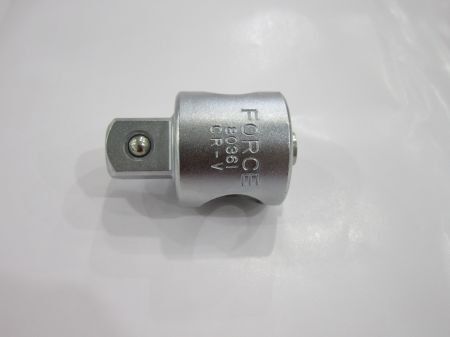
Similar search terms for FORCE-80986-Reducing-Adapter
Top-Angebote
Products related to FORCE-80986-Reducing-Adapter:




-
How can reducing and non-reducing sugars be detected?
Reducing sugars can be detected using Benedict's test, in which the reducing sugar is heated with Benedict's reagent and a color change from blue to green, yellow, orange, or red indicates the presence of reducing sugars. Non-reducing sugars can be detected by first hydrolyzing them into reducing sugars using acid hydrolysis, and then performing the Benedict's test to detect the presence of reducing sugars. Another method to detect reducing and non-reducing sugars is through chromatography, where the sugars are separated based on their interactions with a stationary phase and a mobile phase, and then visualized using specific detection methods. **
-
What are reducing agents such as lead, aluminum, and potassium?
Reducing agents are substances that have the ability to donate electrons to another substance during a chemical reaction, causing the other substance to be reduced. Lead, aluminum, and potassium are all examples of reducing agents. They are commonly used in various industrial processes to facilitate chemical reactions by providing electrons to other substances, thereby causing them to be reduced. **
-
Is sucrose a reducing sugar?
Sucrose is not a reducing sugar because it does not have a free aldehyde or ketone group that can participate in the reduction reaction. Sucrose is a disaccharide composed of glucose and fructose linked together by a glycosidic bond, which prevents it from being able to undergo the typical reactions of reducing sugars. **
-
What is a reducing effect?
A reducing effect refers to the ability of a substance to donate electrons or hydrogen atoms to another substance, thereby causing a reduction reaction. This process results in the reduction of the other substance, which gains electrons or hydrogen atoms. Substances with reducing effects are often referred to as reducing agents and play a crucial role in various chemical reactions, including redox reactions. **

Are halogens reducing agents?
No, halogens are not reducing agents. In chemical reactions, reducing agents are substances that donate electrons to other reactants, causing them to be reduced. Halogens, on the other hand, are highly electronegative elements that tend to gain electrons rather than lose them, making them more likely to act as oxidizing agents. **
When is sugar reducing?
Sugar is reducing when it undergoes a chemical reaction that breaks down its molecular structure, resulting in a decrease in its overall concentration. This reduction can occur when sugar is heated, such as when caramelizing sugar to make caramel, or when sugar is fermented by yeast to produce alcohol. Additionally, sugar can also be reduced through enzymatic reactions, where enzymes break down sugar molecules into simpler forms. **
Top-Angebote
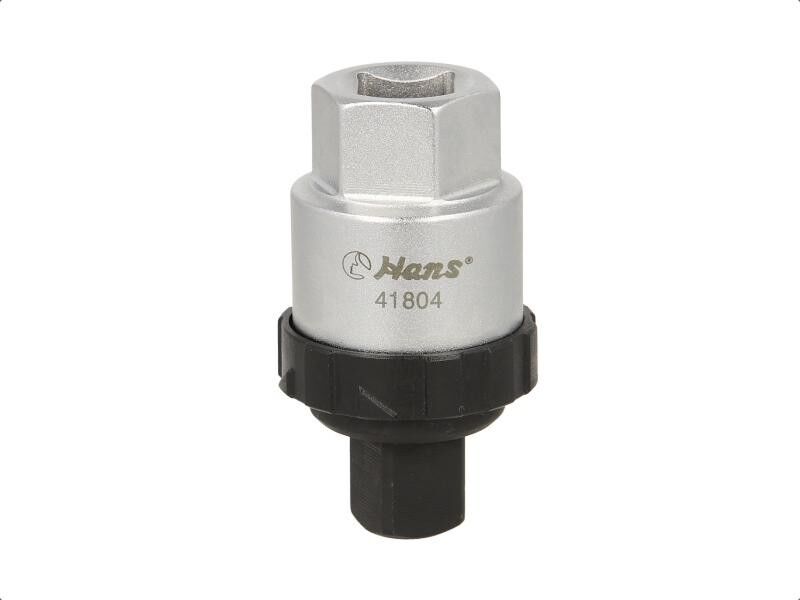
Products related to FORCE-80986-Reducing-Adapter:
-
What are reducing agents like lead, aluminum, and potassium?
Reducing agents like lead, aluminum, and potassium are substances that have the ability to donate electrons to other substances in a chemical reaction. This electron donation results in the reduction of another substance, while the reducing agent itself gets oxidized. These metals are commonly used in various industrial processes and chemical reactions due to their strong reducing properties. Lead, aluminum, and potassium are all known for their ability to easily lose electrons and facilitate redox reactions. **
-
Which USB-C adapter?
The best USB-C adapter for you will depend on your specific needs. If you need to connect multiple devices, a multi-port adapter with HDMI, USB-A, and SD card slots may be the best option. If you need to connect to a wired network, a USB-C adapter with an Ethernet port would be useful. Consider the devices you need to connect and the ports they require, and choose an adapter that meets those needs. Additionally, look for a reputable brand with good reviews to ensure reliability and compatibility with your devices. **
-
How can reducing and non-reducing sugars be detected?
Reducing sugars can be detected using Benedict's test, in which the reducing sugar is heated with Benedict's reagent and a color change from blue to green, yellow, orange, or red indicates the presence of reducing sugars. Non-reducing sugars can be detected by first hydrolyzing them into reducing sugars using acid hydrolysis, and then performing the Benedict's test to detect the presence of reducing sugars. Another method to detect reducing and non-reducing sugars is through chromatography, where the sugars are separated based on their interactions with a stationary phase and a mobile phase, and then visualized using specific detection methods. **
-
What are reducing agents such as lead, aluminum, and potassium?
Reducing agents are substances that have the ability to donate electrons to another substance during a chemical reaction, causing the other substance to be reduced. Lead, aluminum, and potassium are all examples of reducing agents. They are commonly used in various industrial processes to facilitate chemical reactions by providing electrons to other substances, thereby causing them to be reduced. **
Similar search terms for FORCE-80986-Reducing-Adapter
-
Is sucrose a reducing sugar?
Sucrose is not a reducing sugar because it does not have a free aldehyde or ketone group that can participate in the reduction reaction. Sucrose is a disaccharide composed of glucose and fructose linked together by a glycosidic bond, which prevents it from being able to undergo the typical reactions of reducing sugars. **
-
What is a reducing effect?
A reducing effect refers to the ability of a substance to donate electrons or hydrogen atoms to another substance, thereby causing a reduction reaction. This process results in the reduction of the other substance, which gains electrons or hydrogen atoms. Substances with reducing effects are often referred to as reducing agents and play a crucial role in various chemical reactions, including redox reactions. **
-
Are halogens reducing agents?
No, halogens are not reducing agents. In chemical reactions, reducing agents are substances that donate electrons to other reactants, causing them to be reduced. Halogens, on the other hand, are highly electronegative elements that tend to gain electrons rather than lose them, making them more likely to act as oxidizing agents. **
-
When is sugar reducing?
Sugar is reducing when it undergoes a chemical reaction that breaks down its molecular structure, resulting in a decrease in its overall concentration. This reduction can occur when sugar is heated, such as when caramelizing sugar to make caramel, or when sugar is fermented by yeast to produce alcohol. Additionally, sugar can also be reduced through enzymatic reactions, where enzymes break down sugar molecules into simpler forms. **
* All prices are inclusive of VAT and, if applicable, plus shipping costs. The offer information is based on the details provided by the respective shop and is updated through automated processes. Real-time updates do not occur, so deviations can occur in individual cases. ** Note: Parts of this content were created by AI.