Buy c-a-n.eu ?
We are moving the project
c-a-n.eu .
Are you interested in purchasing the domain
c-a-n.eu ?
domain@kv-gmbh.de · 0541-91531010
Buy c-a-n.eu ?
How many centimeters are 1 foot and 1 inch?
1 foot is equal to 30.48 centimeters and 1 inch is equal to 2.54 centimeters. Therefore, 1 foot and 1 inch is equal to 30.48 + 2.54 = 32.02 centimeters. **
How many centimeters are in 1 inch?
There are 2.54 centimeters in 1 inch. This conversion factor is commonly used to convert measurements between the metric and imperial systems. So, if you have a measurement in inches and need to convert it to centimeters, you can multiply the number of inches by 2.54 to get the equivalent measurement in centimeters. **


Similar search terms for InStyleDesign-Coiled-1-inch
Top-Angebote
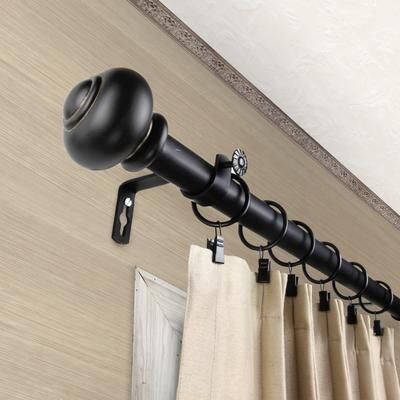
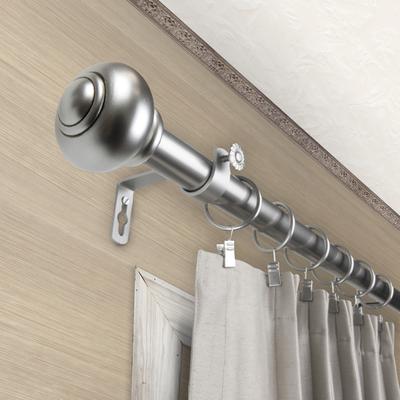
Products related to InStyleDesign-Coiled-1-inch:


-
How can one connect a coiled cable?
To connect a coiled cable, first straighten out the coiled portion by gently pulling on both ends of the cable. Once the cable is straightened, plug one end into the desired device or port, making sure it is securely inserted. Then, carefully plug the other end into the corresponding device or port. Be sure to avoid any sharp bends or kinks in the cable to prevent damage and ensure a reliable connection. **
-
Why is the telephone cable coiled?
Telephone cables are coiled to prevent tangling and to make them easier to handle and store. The coiled design allows for the cable to be extended when needed and then easily recoiled for storage. This also helps to protect the cable from damage and prolong its lifespan. Additionally, the coiled shape reduces strain on the cable and helps to maintain its integrity over time. **
-
Is a keyboard with a coiled cable dangerous?
A keyboard with a coiled cable is not inherently dangerous. The coiled cable is designed to provide flexibility and prevent tangling, making it more convenient for users. However, like any electronic device, it is important to use the keyboard properly and ensure that the cable is not damaged or frayed to avoid any potential hazards. **
-
What size are the rubber nipples for the 1 1/4 inch siphon?
The rubber nipples for the 1 1/4 inch siphon are typically 1 1/4 inches in size. These rubber nipples are designed to fit securely onto the siphon and create a tight seal to prevent any leaks. It's important to ensure that the rubber nipples are the correct size for the siphon to ensure proper functionality. **
Is a cheap coiled cable of poor quality?
Not necessarily. The price of a coiled cable does not always determine its quality. Some cheap coiled cables may be of poor quality, but there are also affordable options that offer good performance and durability. It is important to consider factors such as the materials used, construction, and brand reputation when determining the quality of a coiled cable, rather than just the price. **
Can a coiled LAN cable overheat during use?
Yes, a coiled LAN cable can potentially overheat during use. When a cable is coiled, it can restrict airflow and trap heat, leading to overheating. This can be a safety hazard and may also affect the performance of the cable. It is recommended to avoid coiling LAN cables during use to prevent overheating and ensure optimal functionality. **
Top-Angebote
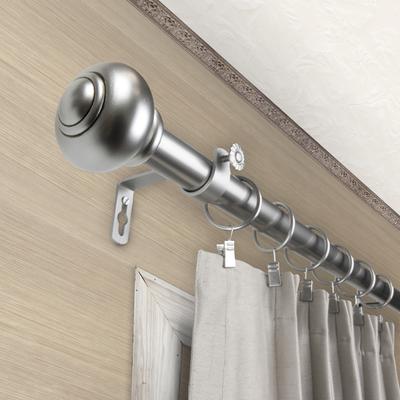
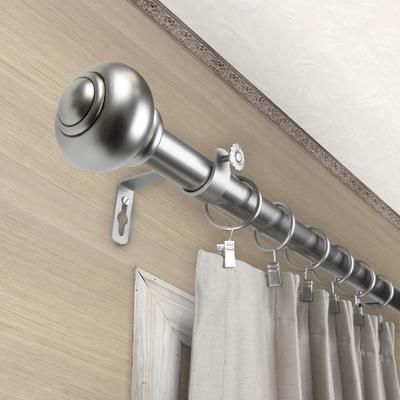
Products related to InStyleDesign-Coiled-1-inch:
-
How many centimeters are 1 foot and 1 inch?
1 foot is equal to 30.48 centimeters and 1 inch is equal to 2.54 centimeters. Therefore, 1 foot and 1 inch is equal to 30.48 + 2.54 = 32.02 centimeters. **
-
How many centimeters are in 1 inch?
There are 2.54 centimeters in 1 inch. This conversion factor is commonly used to convert measurements between the metric and imperial systems. So, if you have a measurement in inches and need to convert it to centimeters, you can multiply the number of inches by 2.54 to get the equivalent measurement in centimeters. **
-
How can one connect a coiled cable?
To connect a coiled cable, first straighten out the coiled portion by gently pulling on both ends of the cable. Once the cable is straightened, plug one end into the desired device or port, making sure it is securely inserted. Then, carefully plug the other end into the corresponding device or port. Be sure to avoid any sharp bends or kinks in the cable to prevent damage and ensure a reliable connection. **
-
Why is the telephone cable coiled?
Telephone cables are coiled to prevent tangling and to make them easier to handle and store. The coiled design allows for the cable to be extended when needed and then easily recoiled for storage. This also helps to protect the cable from damage and prolong its lifespan. Additionally, the coiled shape reduces strain on the cable and helps to maintain its integrity over time. **
Similar search terms for InStyleDesign-Coiled-1-inch
-
Is a keyboard with a coiled cable dangerous?
A keyboard with a coiled cable is not inherently dangerous. The coiled cable is designed to provide flexibility and prevent tangling, making it more convenient for users. However, like any electronic device, it is important to use the keyboard properly and ensure that the cable is not damaged or frayed to avoid any potential hazards. **
-
What size are the rubber nipples for the 1 1/4 inch siphon?
The rubber nipples for the 1 1/4 inch siphon are typically 1 1/4 inches in size. These rubber nipples are designed to fit securely onto the siphon and create a tight seal to prevent any leaks. It's important to ensure that the rubber nipples are the correct size for the siphon to ensure proper functionality. **
-
Is a cheap coiled cable of poor quality?
Not necessarily. The price of a coiled cable does not always determine its quality. Some cheap coiled cables may be of poor quality, but there are also affordable options that offer good performance and durability. It is important to consider factors such as the materials used, construction, and brand reputation when determining the quality of a coiled cable, rather than just the price. **
-
Can a coiled LAN cable overheat during use?
Yes, a coiled LAN cable can potentially overheat during use. When a cable is coiled, it can restrict airflow and trap heat, leading to overheating. This can be a safety hazard and may also affect the performance of the cable. It is recommended to avoid coiling LAN cables during use to prevent overheating and ensure optimal functionality. **
* All prices are inclusive of VAT and, if applicable, plus shipping costs. The offer information is based on the details provided by the respective shop and is updated through automated processes. Real-time updates do not occur, so deviations can occur in individual cases. ** Note: Parts of this content were created by AI.