Buy c-a-n.eu ?
We are moving the project
c-a-n.eu .
Are you interested in purchasing the domain
c-a-n.eu ?
domain@kv-gmbh.de · 0541-91531010
Buy c-a-n.eu ?
What does this input mean in C?
The input `int x = 5;` in C means that a variable `x` of type `int` is being declared and initialized with the value `5`. This line of code allocates memory for the variable `x` and assigns the value `5` to it. After this line, the variable `x` can be used in the program to store and manipulate integer values. **
How can one make a secure input in C?
To make a secure input in C, one should use functions that limit the input size to prevent buffer overflows, such as fgets() instead of gets(). Additionally, input validation should be performed to ensure that the input meets the expected format and range. It is also important to sanitize the input to prevent injection attacks, such as using functions like sscanf() to parse input data. Finally, using secure coding practices and libraries, such as the Secure Coding Standard for C, can help in making input handling more secure. **

Similar search terms for Input
Top-Angebote
Products related to Input:




-
How do you input the date in C?
In C, the date can be input using the `scanf` function to read the day, month, and year values from the user. The date can be stored in variables of type `int` for day, month, and year. For example, the user can be prompted to enter the date in the format "dd/mm/yyyy", and then the values can be read using `scanf` with appropriate format specifiers. Finally, these values can be used in the program for further processing or calculations. **
-
How can one query keyboard input in C?
In C, keyboard input can be queried using the `scanf` function. This function allows the program to read input from the keyboard and store it in a variable. For example, to query an integer input from the user, the `scanf` function can be used with the `%d` format specifier. Additionally, the `getchar` function can be used to read a single character input from the keyboard. These functions provide a way for the program to interact with the user through keyboard input. **
-
Can you explain input control in C programming?
Input control in C programming refers to the process of validating and sanitizing user input to ensure that the program functions correctly and securely. This involves checking for errors such as invalid data types, out-of-range values, and buffer overflows. Input control helps prevent unexpected behavior and vulnerabilities in the program by enforcing constraints on the input data. It is essential for writing robust and secure C programs. **
-
How can you check keyboard input in C?
In C, you can check keyboard input using functions like `getchar()` or `scanf()`. These functions allow you to read input from the keyboard and store it in variables. You can then check the input against certain conditions using conditional statements like `if` or `switch`. Additionally, you can use functions like `isalpha()` or `isdigit()` to check if the input is a letter or a digit, respectively. **


Which input should I use, the phono input or the line input?
If you are connecting a turntable, you should use the phono input on your receiver or amplifier. The phono input is specifically designed to work with the low-level signal produced by a turntable's cartridge. If you are connecting a device such as a CD player, smartphone, or computer, you should use the line input. The line input is designed for higher-level audio signals and will provide the best sound quality for these devices. **
How can input control be implemented in C programming?
Input control in C programming can be implemented by using functions like `scanf()` or `fgets()` to read user input. It is important to validate the input received from the user to ensure it meets the expected format and range. This can be done by checking the return value of the input functions and using conditional statements to handle invalid input. Additionally, using loops to repeatedly prompt the user for input until valid data is entered can help improve input control in C programming. **
Top-Angebote
Products related to Input:
-
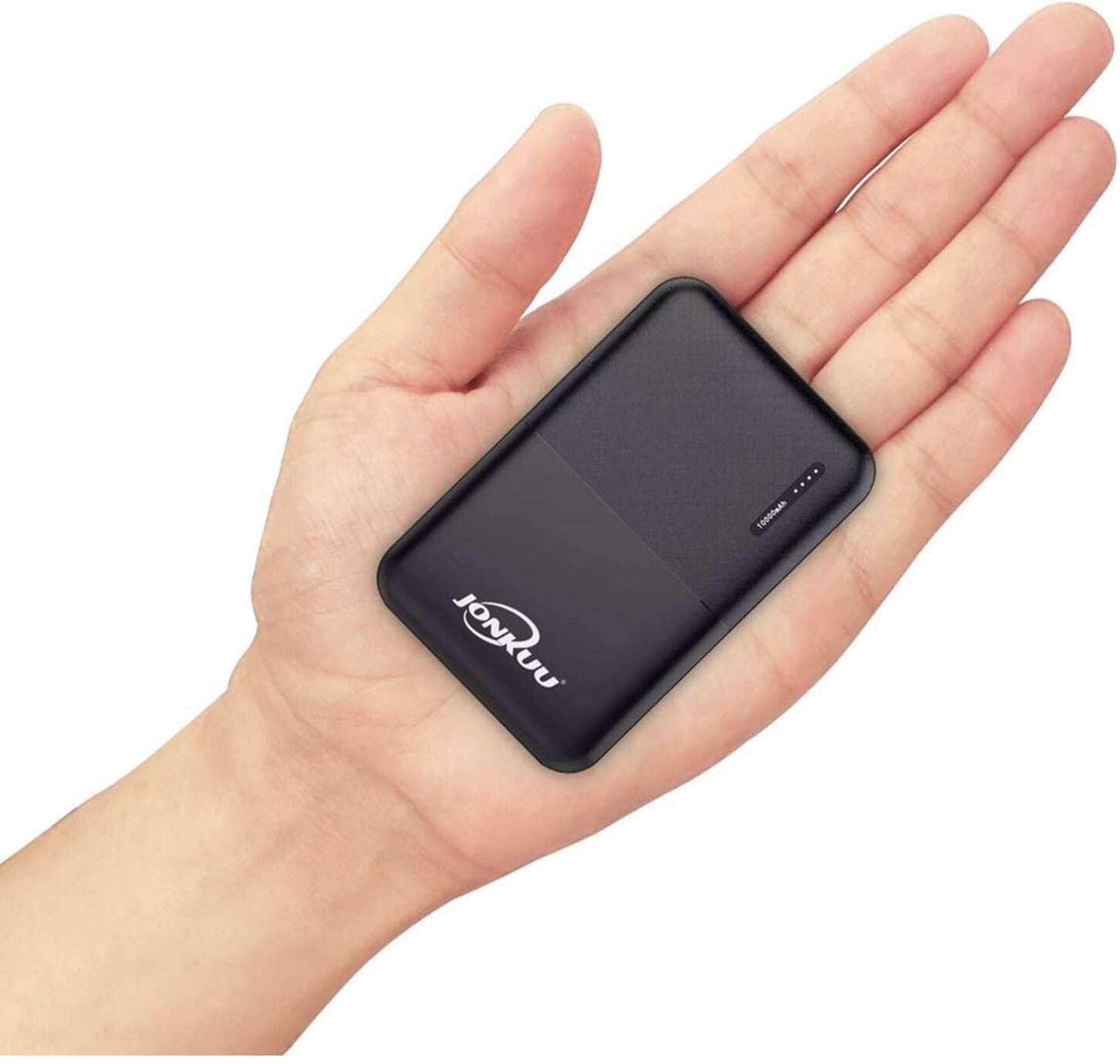
Jonku 10000mAh Portable Power Bank – Dual USB 2.4A, USB-C Input, NewStay powered up wherever you go with the Jonku Portable Power Bank Chargers 10000mAh , the perfect high-capacity external battery for smartphones, tablets, and gaming devices. With a compact and lightweight design, this power bank delivers reliable charging on the move , offering enough power to fully recharge most phones up to 2–3 times . Equipped with 2.4A dual USB output ports and a USB Type-C input , it allows fast and efficient charging of multiple devices simultaneously. Ideal for travel, commuting, and emergencies, this 10000mAh power bank is compatible with iPhone, Samsung, Android smartphones, Nintendo Switch, tablets , and more. Built with safety in mind, it includes overcharge, overcurrent, and short-circuit protection , ensuring your devices stay safe while charging. ✔️ 10000mAh high-capacity battery – Provides multiple full charges for most mobile devices ✔️ Dual USB output (2.4A) – Charge two devices at once efficiently ✔️ USB Type-C input – Fast recharge of the power bank using modern cables ✔️ Wide device compatibility – Works with iPhone, Samsung, Android phones, Nintendo Switch, tablets, and more ✔️ Compact & portable design – Lightweight and ideal for travel, daily carry, and emergencies ✔️ Fast charging support – Delivers stable, high-speed power for quicker top-ups ✔️ Safe charging system – Built-in protection against overcharge, overheating, and short circuits ✔️ LED battery indicator – Check remaining power at a glance ✔️ Durable build quality – Designed for long-term reliability and everyday use ✔️ Perfect for travel & outdoor use – Great for flights, commuting, holidays, and power backup The Jonku 10000mAh Portable Power Bank combines compact design with high performance, making it the ideal everyday charging solution for anyone who needs reliable power wherever they go.12,49 £*Shipping: 0,00 £Secure redirect to the provider
-
What does this input mean in C?
The input `int x = 5;` in C means that a variable `x` of type `int` is being declared and initialized with the value `5`. This line of code allocates memory for the variable `x` and assigns the value `5` to it. After this line, the variable `x` can be used in the program to store and manipulate integer values. **
-
How can one make a secure input in C?
To make a secure input in C, one should use functions that limit the input size to prevent buffer overflows, such as fgets() instead of gets(). Additionally, input validation should be performed to ensure that the input meets the expected format and range. It is also important to sanitize the input to prevent injection attacks, such as using functions like sscanf() to parse input data. Finally, using secure coding practices and libraries, such as the Secure Coding Standard for C, can help in making input handling more secure. **
-
How do you input the date in C?
In C, the date can be input using the `scanf` function to read the day, month, and year values from the user. The date can be stored in variables of type `int` for day, month, and year. For example, the user can be prompted to enter the date in the format "dd/mm/yyyy", and then the values can be read using `scanf` with appropriate format specifiers. Finally, these values can be used in the program for further processing or calculations. **
-
How can one query keyboard input in C?
In C, keyboard input can be queried using the `scanf` function. This function allows the program to read input from the keyboard and store it in a variable. For example, to query an integer input from the user, the `scanf` function can be used with the `%d` format specifier. Additionally, the `getchar` function can be used to read a single character input from the keyboard. These functions provide a way for the program to interact with the user through keyboard input. **
Similar search terms for Input
-
Can you explain input control in C programming?
Input control in C programming refers to the process of validating and sanitizing user input to ensure that the program functions correctly and securely. This involves checking for errors such as invalid data types, out-of-range values, and buffer overflows. Input control helps prevent unexpected behavior and vulnerabilities in the program by enforcing constraints on the input data. It is essential for writing robust and secure C programs. **
-
How can you check keyboard input in C?
In C, you can check keyboard input using functions like `getchar()` or `scanf()`. These functions allow you to read input from the keyboard and store it in variables. You can then check the input against certain conditions using conditional statements like `if` or `switch`. Additionally, you can use functions like `isalpha()` or `isdigit()` to check if the input is a letter or a digit, respectively. **
-
Which input should I use, the phono input or the line input?
If you are connecting a turntable, you should use the phono input on your receiver or amplifier. The phono input is specifically designed to work with the low-level signal produced by a turntable's cartridge. If you are connecting a device such as a CD player, smartphone, or computer, you should use the line input. The line input is designed for higher-level audio signals and will provide the best sound quality for these devices. **
-
How can input control be implemented in C programming?
Input control in C programming can be implemented by using functions like `scanf()` or `fgets()` to read user input. It is important to validate the input received from the user to ensure it meets the expected format and range. This can be done by checking the return value of the input functions and using conditional statements to handle invalid input. Additionally, using loops to repeatedly prompt the user for input until valid data is entered can help improve input control in C programming. **
* All prices are inclusive of VAT and, if applicable, plus shipping costs. The offer information is based on the details provided by the respective shop and is updated through automated processes. Real-time updates do not occur, so deviations can occur in individual cases. ** Note: Parts of this content were created by AI.