Buy c-a-n.eu ?
We are moving the project
c-a-n.eu .
Are you interested in purchasing the domain
c-a-n.eu ?
domain@kv-gmbh.de · 0541-91531010
Buy c-a-n.eu ?
What is the difference between proportional and inverse proportional?
Proportional and inverse proportional relationships are two types of relationships between two variables. In a proportional relationship, as one variable increases, the other variable also increases at a constant rate. This means that the ratio between the two variables remains the same. In an inverse proportional relationship, as one variable increases, the other variable decreases at a constant rate. This means that the product of the two variables remains constant. **
How can one recognize proportional and inverse proportional relationships?
Proportional relationships can be recognized when two quantities increase or decrease at the same rate. This means that when one quantity doubles, the other quantity also doubles. Inverse proportional relationships, on the other hand, can be recognized when one quantity increases while the other decreases at a constant rate, or vice versa. This means that when one quantity doubles, the other quantity is halved. One can recognize these relationships by plotting the data on a graph and observing if the points form a straight line through the origin for proportional relationships, or if the points form a curve for inverse proportional relationships. **

Similar search terms for Non-proportional
Top-Angebote
Products related to Non-proportional:
-
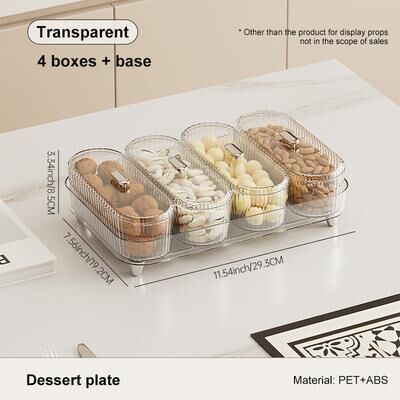
Rare Purchases Simple Style Nut And Dry Fruit Container With Lid, A Piece Of Home Living Fruit Bowl For Living Room transparentTransform your living space with A Piece of Home Living Fruit Bowl, the perfect blend of style and practicality. This simple style nut and dry fruit container with a lid adds a touch of elegance to any room while keeping your snacks organized and...56,97 $*Shipping: 0,00 $Secure redirect to the provider
-
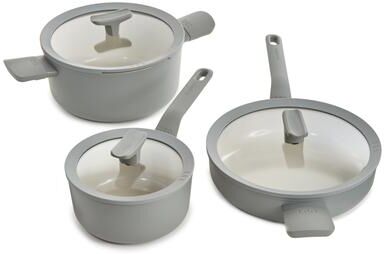
"BergHOFF Leo Stone+ Non-stick Ceramic 7"" Saucepan 2.1qt. With Glass Lid, Recycled Cast Aluminum"Leo Stone+ Saucepan is a combination of sustainability and performance with its cast aluminum construction and non-stick CeraGreen ceramic coating made from 100% natural-based ingredients.99,99 $*Shipping: 0,00 $Secure redirect to the provider
-
Inspire Essentials Aluminum Candle Tin Jar Refillable Cosmetic Storage Container With Lid 7Keep your small essentials neatly stored and beautifully organized with this versatile candle tin jar designed for everyday convenience. Crafted from lightweight aluminum, this durable container offers a clean and practical way to store candles,...34,98 $*Shipping: 0,00 $Secure redirect to the provider


-
How can I recognize if a function is proportional or inversely proportional?
You can recognize if a function is proportional by checking if the ratio of the output to the input is constant. In other words, if the function can be written in the form y = kx, where k is a constant, then the function is proportional. On the other hand, if the function can be written in the form y = k/x, where k is a constant, then the function is inversely proportional. Additionally, if the graph of the function is a straight line passing through the origin, it is proportional, while if the graph is a hyperbola, it is inversely proportional. **
-
What is a proportional function?
A proportional function is a type of linear function where the relationship between the independent variable and the dependent variable is constant. This means that as the independent variable increases or decreases, the dependent variable also increases or decreases in a consistent ratio. Mathematically, a proportional function can be represented by the equation y = kx, where k is the constant of proportionality. In a proportional function, the graph will always pass through the origin (0,0) and will be a straight line. **
-
When is a mapping proportional?
A mapping is proportional when there is a constant ratio between the corresponding values of the two sets being mapped. In other words, if the ratio of the output values to the input values remains constant, then the mapping is considered proportional. This means that as one set of values increases or decreases, the other set of values changes in direct proportion. **
-
Is both a proportional relationship?
Yes, a proportional relationship is one in which the ratio of two quantities remains constant. In a "both" relationship, the quantities are directly related and change in the same direction. For example, if the quantity of one item doubles, the quantity of the other item also doubles. This demonstrates a proportional relationship between the two quantities. **
What is a proportional relationship?
A proportional relationship is a type of relationship between two quantities where they increase or decrease at a constant rate. This means that as one quantity changes, the other changes in a predictable way. In a proportional relationship, when one quantity doubles, the other quantity also doubles. This can be represented by a straight line when graphed. **
What is the difference between proportional relationships and inverse proportional relationships?
Proportional relationships are those in which the two variables increase or decrease at a constant rate. In other words, when one variable doubles, the other variable also doubles. In contrast, inverse proportional relationships are those in which one variable increases as the other decreases, and vice versa. In an inverse proportional relationship, the product of the two variables remains constant. In other words, when one variable doubles, the other variable is halved. **
Top-Angebote
Products related to Non-proportional:
-
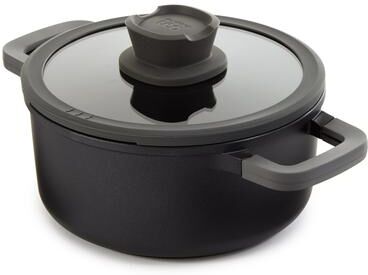
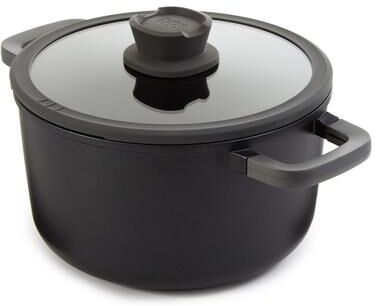
BergHOFF Leo Stone+ Non-stick Ceramic Stockpot With Glass Lid, Recycled Cast AluminumLeo Stone+ Stockpot offers a blend of eco-friendly design and high performance, featuring a cast aluminum construction with a non-stick CeraGreen ceramic coating made from 100% natural-based ingredients.134,99 $*Shipping: 0,00 $Secure redirect to the provider
-
BergHOFF Balance 6Pc Non-stick Ceramic Cookware Set With Glass Lid, Recycled AluminumLeo Balance 6pc cookware set is built with sustainable and healthy non-toxic, PTFE free, PFAS free non-stick CeraGreen ceramic coating, recycled aluminum and stay-cool handle for no oil, no fat cooking.239,99 $*Shipping: 0,00 $Secure redirect to the provider
-
Rare Purchases Simple Style Nut And Dry Fruit Container With Lid, A Piece Of Home Living Fruit Bowl For Living Room transparentTransform your living space with A Piece of Home Living Fruit Bowl, the perfect blend of style and practicality. This simple style nut and dry fruit container with a lid adds a touch of elegance to any room while keeping your snacks organized and...56,97 $*Shipping: 0,00 $Secure redirect to the provider
-
"BergHOFF Leo Stone+ Non-stick Ceramic 7"" Saucepan 2.1qt. With Glass Lid, Recycled Cast Aluminum"Leo Stone+ Saucepan is a combination of sustainability and performance with its cast aluminum construction and non-stick CeraGreen ceramic coating made from 100% natural-based ingredients.99,99 $*Shipping: 0,00 $Secure redirect to the provider
-
What is the difference between proportional and inverse proportional?
Proportional and inverse proportional relationships are two types of relationships between two variables. In a proportional relationship, as one variable increases, the other variable also increases at a constant rate. This means that the ratio between the two variables remains the same. In an inverse proportional relationship, as one variable increases, the other variable decreases at a constant rate. This means that the product of the two variables remains constant. **
-
How can one recognize proportional and inverse proportional relationships?
Proportional relationships can be recognized when two quantities increase or decrease at the same rate. This means that when one quantity doubles, the other quantity also doubles. Inverse proportional relationships, on the other hand, can be recognized when one quantity increases while the other decreases at a constant rate, or vice versa. This means that when one quantity doubles, the other quantity is halved. One can recognize these relationships by plotting the data on a graph and observing if the points form a straight line through the origin for proportional relationships, or if the points form a curve for inverse proportional relationships. **
-
How can I recognize if a function is proportional or inversely proportional?
You can recognize if a function is proportional by checking if the ratio of the output to the input is constant. In other words, if the function can be written in the form y = kx, where k is a constant, then the function is proportional. On the other hand, if the function can be written in the form y = k/x, where k is a constant, then the function is inversely proportional. Additionally, if the graph of the function is a straight line passing through the origin, it is proportional, while if the graph is a hyperbola, it is inversely proportional. **
-
What is a proportional function?
A proportional function is a type of linear function where the relationship between the independent variable and the dependent variable is constant. This means that as the independent variable increases or decreases, the dependent variable also increases or decreases in a consistent ratio. Mathematically, a proportional function can be represented by the equation y = kx, where k is the constant of proportionality. In a proportional function, the graph will always pass through the origin (0,0) and will be a straight line. **
Similar search terms for Non-proportional
-
Inspire Essentials Aluminum Candle Tin Jar Refillable Cosmetic Storage Container With Lid 7Keep your small essentials neatly stored and beautifully organized with this versatile candle tin jar designed for everyday convenience. Crafted from lightweight aluminum, this durable container offers a clean and practical way to store candles,...34,98 $*Shipping: 0,00 $Secure redirect to the provider
-
BergHOFF Leo Stone+ Non-stick Ceramic Stockpot With Glass Lid, Recycled Cast AluminumLeo Stone+ Stockpot offers a blend of eco-friendly design and high performance, featuring a cast aluminum construction with a non-stick CeraGreen ceramic coating made from 100% natural-based ingredients.109,99 $*Shipping: 0,00 $Secure redirect to the provider
-
BergHOFF Leo Stone+ Non-stick Ceramic Stockpot With Glass Lid, Recycled Cast AluminumLeo Stone+ Stockpot offers a blend of eco-friendly design and high performance, featuring a cast aluminum construction with a non-stick CeraGreen ceramic coating made from 100% natural-based ingredients.144,99 $*Shipping: 0,00 $Secure redirect to the provider
-
When is a mapping proportional?
A mapping is proportional when there is a constant ratio between the corresponding values of the two sets being mapped. In other words, if the ratio of the output values to the input values remains constant, then the mapping is considered proportional. This means that as one set of values increases or decreases, the other set of values changes in direct proportion. **
-
Is both a proportional relationship?
Yes, a proportional relationship is one in which the ratio of two quantities remains constant. In a "both" relationship, the quantities are directly related and change in the same direction. For example, if the quantity of one item doubles, the quantity of the other item also doubles. This demonstrates a proportional relationship between the two quantities. **
-
What is a proportional relationship?
A proportional relationship is a type of relationship between two quantities where they increase or decrease at a constant rate. This means that as one quantity changes, the other changes in a predictable way. In a proportional relationship, when one quantity doubles, the other quantity also doubles. This can be represented by a straight line when graphed. **
-
What is the difference between proportional relationships and inverse proportional relationships?
Proportional relationships are those in which the two variables increase or decrease at a constant rate. In other words, when one variable doubles, the other variable also doubles. In contrast, inverse proportional relationships are those in which one variable increases as the other decreases, and vice versa. In an inverse proportional relationship, the product of the two variables remains constant. In other words, when one variable doubles, the other variable is halved. **
* All prices are inclusive of VAT and, if applicable, plus shipping costs. The offer information is based on the details provided by the respective shop and is updated through automated processes. Real-time updates do not occur, so deviations can occur in individual cases. ** Note: Parts of this content were created by AI.