Buy c-a-n.eu ?
We are moving the project
c-a-n.eu .
Are you interested in purchasing the domain
c-a-n.eu ?
domain@kv-gmbh.de · 0541-91531010
Buy c-a-n.eu ?
What does brushed aluminum mean?
Brushed aluminum refers to a finishing technique where a fine abrasive material is used to create a series of fine lines or brush strokes on the surface of aluminum. This process gives the aluminum a textured appearance and a matte finish, which can help to reduce glare and hide scratches. Brushed aluminum is commonly used in various applications such as furniture, appliances, and electronics to give a modern and sleek look. **
Can aluminum be welded to brass?
Aluminum and brass have different melting points and properties, making it challenging to weld them together directly. However, it is possible to join aluminum and brass using techniques such as brazing or soldering, which involve melting a filler material with a lower melting point than the base metals to create a bond. These methods can create a strong and durable connection between aluminum and brass, but it is important to ensure proper surface preparation and use the correct filler material to achieve a successful weld. **
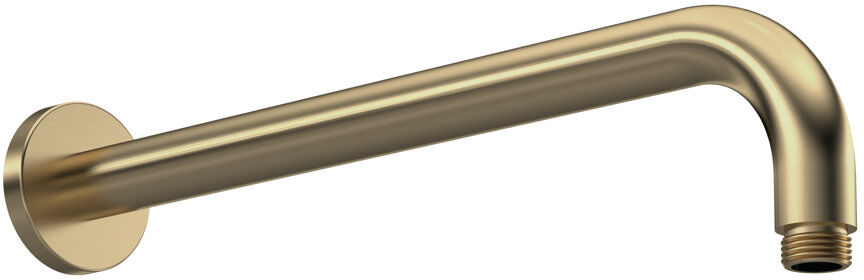

Similar search terms for Nuie-Brushed-Brass-Wetroom
Top-Angebote
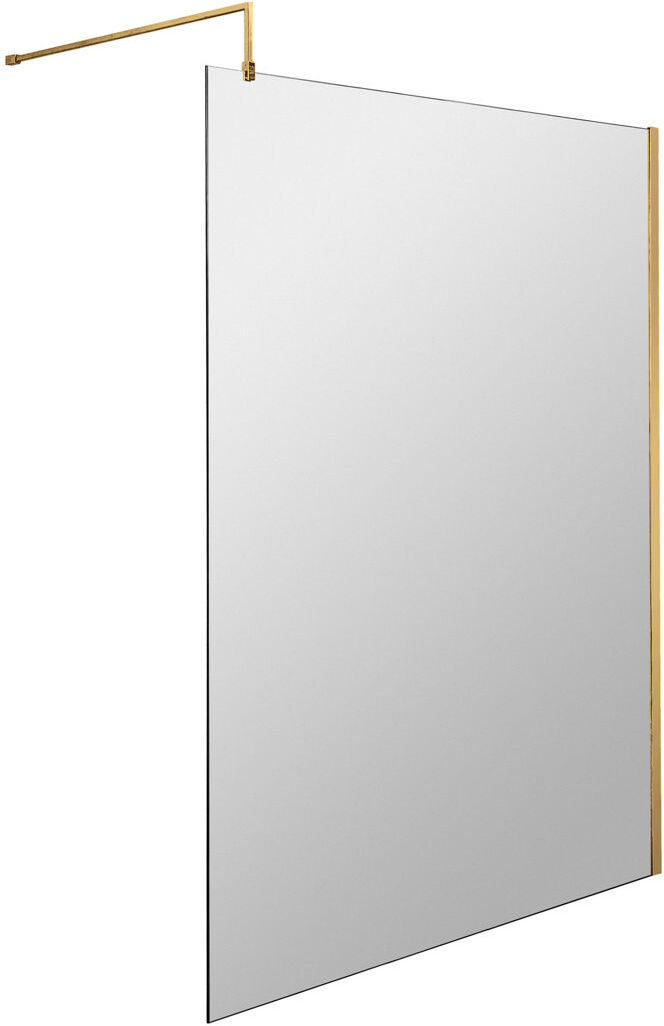
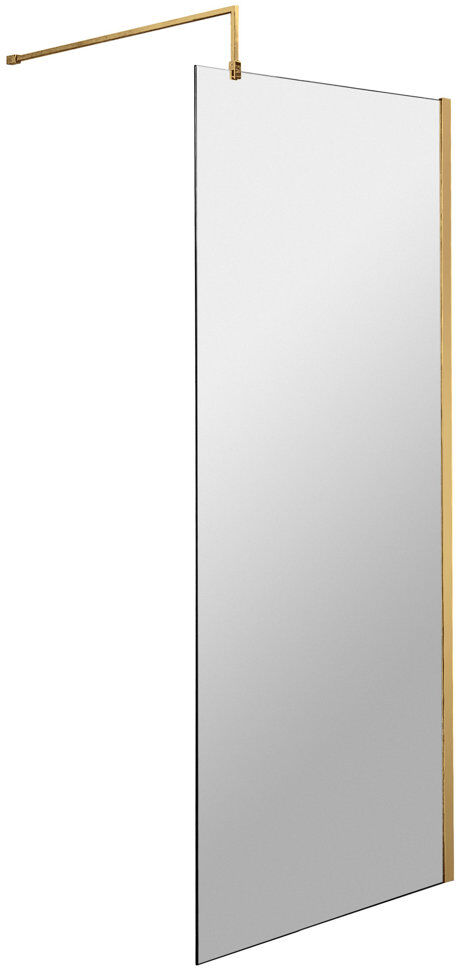
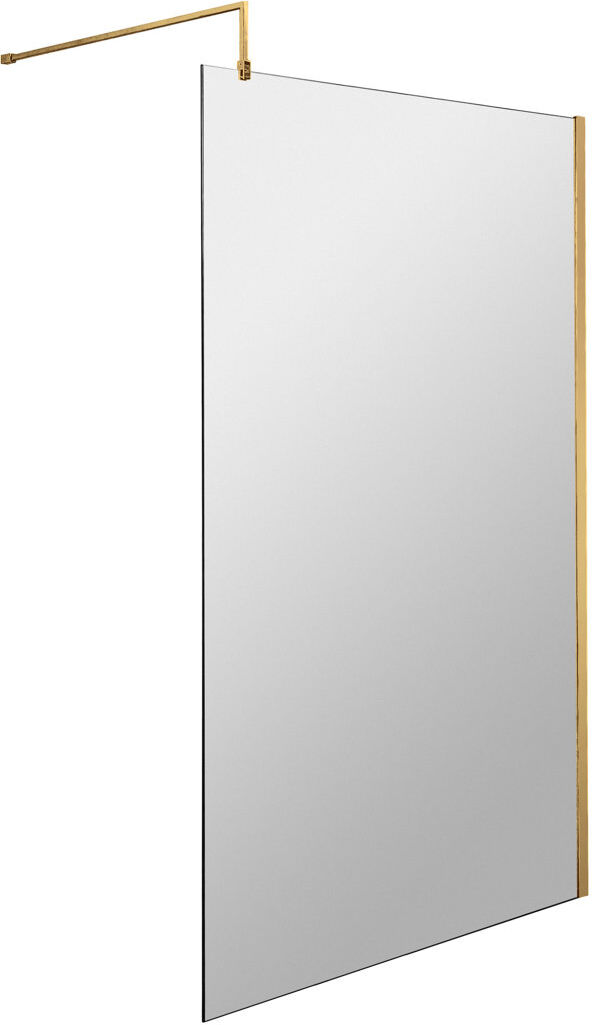
Products related to Nuie-Brushed-Brass-Wetroom:


-
How can scratches be removed from brushed black aluminum?
To remove scratches from brushed black aluminum, you can start by cleaning the surface with a mild detergent and water to remove any dirt or debris. Then, you can use a fine-grit sandpaper to gently sand the scratched area in the direction of the brushed grain. After sanding, you can use a metal polish or aluminum polish to buff out the scratches and restore the shine of the aluminum. Finally, you can finish by applying a clear coat or wax to protect the surface from future scratches. **
-
Which is easier to work with, aluminum or brass?
Aluminum is generally considered easier to work with compared to brass. This is because aluminum is a softer and more malleable metal, making it easier to cut, shape, and manipulate. Brass, on the other hand, is a harder metal and can be more difficult to work with, requiring more specialized tools and techniques. Overall, aluminum is often preferred for its ease of use in various applications. **
-
What is easier to work with, aluminum or brass?
Aluminum is generally easier to work with than brass. It is lighter, softer, and more malleable, making it easier to cut, shape, and form. Aluminum also has a lower melting point than brass, making it easier to weld and manipulate. Additionally, aluminum is more resistant to corrosion, which can make it easier to maintain in certain applications. **
-
Is a brass faucet compatible with a red brass faucet extension?
Yes, a brass faucet is compatible with a red brass faucet extension. Both brass and red brass are types of brass alloys, so they are compatible with each other. The color difference between the two should not affect their compatibility or functionality. As long as the sizes and threading of the faucet and extension match, they should work together seamlessly. **

Why are weights often made of aluminum, brass, or steel?
Weights are often made of aluminum, brass, or steel because these materials are dense and heavy, making them suitable for measuring precise amounts. Additionally, these materials are durable and resistant to corrosion, ensuring the accuracy and longevity of the weights. Aluminum, brass, and steel are also readily available and relatively affordable, making them practical choices for manufacturing weights. **
Does aluminum or brass heat up faster in hot water?
Aluminum heats up faster in hot water compared to brass. This is because aluminum has a higher thermal conductivity, meaning it can transfer heat more efficiently than brass. As a result, when placed in hot water, aluminum will absorb and distribute the heat more quickly, causing it to heat up faster than brass. **
Top-Angebote
Products related to Nuie-Brushed-Brass-Wetroom:
-
What does brushed aluminum mean?
Brushed aluminum refers to a finishing technique where a fine abrasive material is used to create a series of fine lines or brush strokes on the surface of aluminum. This process gives the aluminum a textured appearance and a matte finish, which can help to reduce glare and hide scratches. Brushed aluminum is commonly used in various applications such as furniture, appliances, and electronics to give a modern and sleek look. **
-
Can aluminum be welded to brass?
Aluminum and brass have different melting points and properties, making it challenging to weld them together directly. However, it is possible to join aluminum and brass using techniques such as brazing or soldering, which involve melting a filler material with a lower melting point than the base metals to create a bond. These methods can create a strong and durable connection between aluminum and brass, but it is important to ensure proper surface preparation and use the correct filler material to achieve a successful weld. **
-
How can scratches be removed from brushed black aluminum?
To remove scratches from brushed black aluminum, you can start by cleaning the surface with a mild detergent and water to remove any dirt or debris. Then, you can use a fine-grit sandpaper to gently sand the scratched area in the direction of the brushed grain. After sanding, you can use a metal polish or aluminum polish to buff out the scratches and restore the shine of the aluminum. Finally, you can finish by applying a clear coat or wax to protect the surface from future scratches. **
-
Which is easier to work with, aluminum or brass?
Aluminum is generally considered easier to work with compared to brass. This is because aluminum is a softer and more malleable metal, making it easier to cut, shape, and manipulate. Brass, on the other hand, is a harder metal and can be more difficult to work with, requiring more specialized tools and techniques. Overall, aluminum is often preferred for its ease of use in various applications. **
Similar search terms for Nuie-Brushed-Brass-Wetroom
-
What is easier to work with, aluminum or brass?
Aluminum is generally easier to work with than brass. It is lighter, softer, and more malleable, making it easier to cut, shape, and form. Aluminum also has a lower melting point than brass, making it easier to weld and manipulate. Additionally, aluminum is more resistant to corrosion, which can make it easier to maintain in certain applications. **
-
Is a brass faucet compatible with a red brass faucet extension?
Yes, a brass faucet is compatible with a red brass faucet extension. Both brass and red brass are types of brass alloys, so they are compatible with each other. The color difference between the two should not affect their compatibility or functionality. As long as the sizes and threading of the faucet and extension match, they should work together seamlessly. **
-
Why are weights often made of aluminum, brass, or steel?
Weights are often made of aluminum, brass, or steel because these materials are dense and heavy, making them suitable for measuring precise amounts. Additionally, these materials are durable and resistant to corrosion, ensuring the accuracy and longevity of the weights. Aluminum, brass, and steel are also readily available and relatively affordable, making them practical choices for manufacturing weights. **
-
Does aluminum or brass heat up faster in hot water?
Aluminum heats up faster in hot water compared to brass. This is because aluminum has a higher thermal conductivity, meaning it can transfer heat more efficiently than brass. As a result, when placed in hot water, aluminum will absorb and distribute the heat more quickly, causing it to heat up faster than brass. **
* All prices are inclusive of VAT and, if applicable, plus shipping costs. The offer information is based on the details provided by the respective shop and is updated through automated processes. Real-time updates do not occur, so deviations can occur in individual cases. ** Note: Parts of this content were created by AI.