Buy c-a-n.eu ?
We are moving the project
c-a-n.eu .
Are you interested in purchasing the domain
c-a-n.eu ?
domain@kv-gmbh.de · 0541-91531010
Buy c-a-n.eu ?
How can one seal a plastic container?
To seal a plastic container, you can use various methods such as using a lid that fits securely on the container, using plastic wrap or aluminum foil to cover the opening and securing it with a rubber band or tape, or using a heat sealer to create an airtight seal. Another option is to use a vacuum sealer to remove the air from the container before sealing it shut. Make sure the container is clean and dry before sealing to ensure a tight seal. **
How can you seal a plastic container?
To seal a plastic container, you can use a variety of methods such as using a lid that fits securely onto the container, using plastic wrap to cover the opening and securing it with a rubber band, or using a heat sealer to create an airtight seal. Another option is to use a vacuum sealer to remove the air from the container before sealing it. Additionally, you can use airtight plastic bags or containers with built-in sealing mechanisms to ensure a tight seal. **
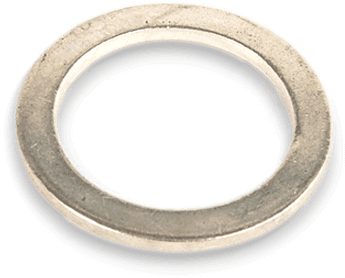
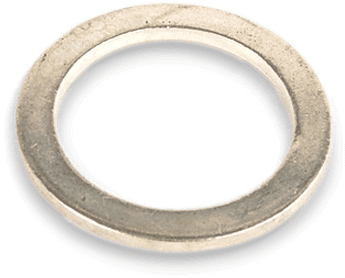
Similar search terms for OPTIMAL-OP-EDA5002S-Seal-injector
Top-Angebote
Products related to OPTIMAL-OP-EDA5002S-Seal-injector:
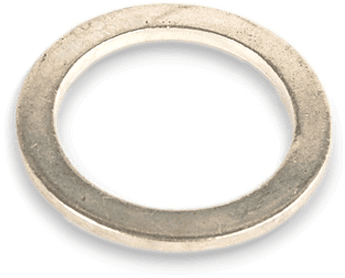
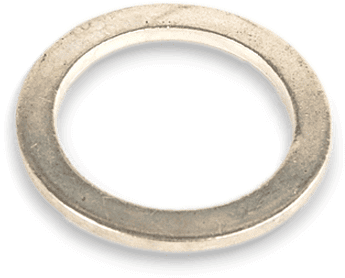
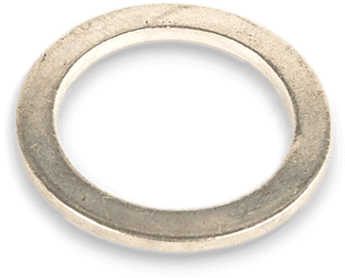
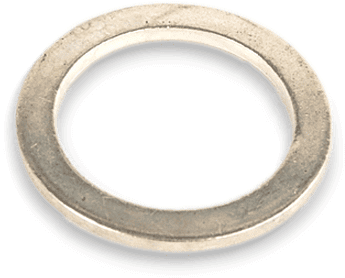
-
How do you open a container seal?
To open a container seal, you can start by locating the tab or pull strip on the seal. Then, gently pull the tab or strip in the direction indicated by any arrows or instructions on the seal. If there are no specific instructions, pull the tab or strip in the direction that feels most natural. Once the seal is pulled, it should easily come off, allowing you to access the contents of the container. **
-
How do you seal this container properly?
To properly seal this container, ensure that the lid is securely tightened by twisting it clockwise until it is snug. Make sure there are no gaps or spaces between the lid and the container. If the container has a sealing mechanism, such as a latch or clasp, ensure that it is fully engaged. Finally, double-check the seal by gently pressing down on the lid to ensure it does not pop open. **
-
How can you seal an aluminum pipe?
To seal an aluminum pipe, you can use a variety of methods such as welding, soldering, or using a sealant. Welding involves melting the aluminum and fusing it together, while soldering uses a lower melting point metal to create a bond. If welding or soldering is not an option, you can use a high-temperature sealant specifically designed for aluminum surfaces to create a tight seal. It's important to ensure that the surface of the aluminum pipe is clean and free of any debris before attempting to seal it. **
-
Seal weight
Seal weight refers to the average weight of a seal, which can vary depending on the species. For example, a harbor seal typically weighs between 100-300 pounds, while an elephant seal can weigh up to 8,800 pounds. The weight of a seal is important for understanding their biology, behavior, and conservation needs. Monitoring seal weight can also help researchers track population health and changes in their environment. **

What is the difference between a primary seal and a secondary seal?
A primary seal is the main seal that prevents fluid from leaking out of a system, such as a hydraulic or pneumatic system. It is the first line of defense against leaks and is typically the most critical seal in the system. A secondary seal, on the other hand, is an additional seal that provides extra protection against leaks in case the primary seal fails. It acts as a backup to the primary seal and helps to ensure that the system remains leak-free. **
Can one use a vacuum cleaner to vacuum seal a container?
No, a vacuum cleaner cannot be used to vacuum seal a container. Vacuum sealers are specifically designed to remove air from a container and create an airtight seal, while vacuum cleaners are designed to create suction to pick up dirt and debris. Using a vacuum cleaner to try to vacuum seal a container would not be effective and could potentially damage the container or the vacuum cleaner. It is best to use a vacuum sealer specifically designed for this purpose. **
Top-Angebote
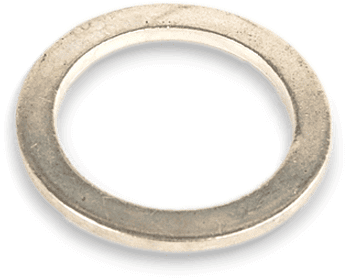
Products related to OPTIMAL-OP-EDA5002S-Seal-injector:
-
How can one seal a plastic container?
To seal a plastic container, you can use various methods such as using a lid that fits securely on the container, using plastic wrap or aluminum foil to cover the opening and securing it with a rubber band or tape, or using a heat sealer to create an airtight seal. Another option is to use a vacuum sealer to remove the air from the container before sealing it shut. Make sure the container is clean and dry before sealing to ensure a tight seal. **
-
How can you seal a plastic container?
To seal a plastic container, you can use a variety of methods such as using a lid that fits securely onto the container, using plastic wrap to cover the opening and securing it with a rubber band, or using a heat sealer to create an airtight seal. Another option is to use a vacuum sealer to remove the air from the container before sealing it. Additionally, you can use airtight plastic bags or containers with built-in sealing mechanisms to ensure a tight seal. **
-
How do you open a container seal?
To open a container seal, you can start by locating the tab or pull strip on the seal. Then, gently pull the tab or strip in the direction indicated by any arrows or instructions on the seal. If there are no specific instructions, pull the tab or strip in the direction that feels most natural. Once the seal is pulled, it should easily come off, allowing you to access the contents of the container. **
-
How do you seal this container properly?
To properly seal this container, ensure that the lid is securely tightened by twisting it clockwise until it is snug. Make sure there are no gaps or spaces between the lid and the container. If the container has a sealing mechanism, such as a latch or clasp, ensure that it is fully engaged. Finally, double-check the seal by gently pressing down on the lid to ensure it does not pop open. **
Similar search terms for OPTIMAL-OP-EDA5002S-Seal-injector
-
OPTIMAL OP-EDA5124 Seal, injector holderarticle number of recommended accessories: 5WS40745-Z; Number of Parts [parts]: 1-phase; Number of seal rings: 1; for OE number: 03L103469H, 03L103475H, 03L 103 469 H, 03L 103 475 H; Emissions Standard: Euro 5; TecDoc Engine Number: 26467, 26468, 2646915,49 £*Shipping: 8,45 £Secure redirect to the provider
-
How can you seal an aluminum pipe?
To seal an aluminum pipe, you can use a variety of methods such as welding, soldering, or using a sealant. Welding involves melting the aluminum and fusing it together, while soldering uses a lower melting point metal to create a bond. If welding or soldering is not an option, you can use a high-temperature sealant specifically designed for aluminum surfaces to create a tight seal. It's important to ensure that the surface of the aluminum pipe is clean and free of any debris before attempting to seal it. **
-
Seal weight
Seal weight refers to the average weight of a seal, which can vary depending on the species. For example, a harbor seal typically weighs between 100-300 pounds, while an elephant seal can weigh up to 8,800 pounds. The weight of a seal is important for understanding their biology, behavior, and conservation needs. Monitoring seal weight can also help researchers track population health and changes in their environment. **
-
What is the difference between a primary seal and a secondary seal?
A primary seal is the main seal that prevents fluid from leaking out of a system, such as a hydraulic or pneumatic system. It is the first line of defense against leaks and is typically the most critical seal in the system. A secondary seal, on the other hand, is an additional seal that provides extra protection against leaks in case the primary seal fails. It acts as a backup to the primary seal and helps to ensure that the system remains leak-free. **
-
Can one use a vacuum cleaner to vacuum seal a container?
No, a vacuum cleaner cannot be used to vacuum seal a container. Vacuum sealers are specifically designed to remove air from a container and create an airtight seal, while vacuum cleaners are designed to create suction to pick up dirt and debris. Using a vacuum cleaner to try to vacuum seal a container would not be effective and could potentially damage the container or the vacuum cleaner. It is best to use a vacuum sealer specifically designed for this purpose. **
* All prices are inclusive of VAT and, if applicable, plus shipping costs. The offer information is based on the details provided by the respective shop and is updated through automated processes. Real-time updates do not occur, so deviations can occur in individual cases. ** Note: Parts of this content were created by AI.