Buy c-a-n.eu ?
We are moving the project
c-a-n.eu .
Are you interested in purchasing the domain
c-a-n.eu ?
domain@kv-gmbh.de · 0541-91531010
Buy c-a-n.eu ?
How is polypropylene manufactured?
Polypropylene is manufactured through a process called polymerization, which involves the combination of propylene monomers to form long chains of polypropylene molecules. This process typically takes place in a reactor under high pressure and temperature, with the help of a catalyst to initiate the reaction. The resulting polypropylene resin can then be processed further into various products such as fibers, films, and containers through techniques like extrusion, injection molding, or blow molding. Overall, the manufacturing of polypropylene involves several steps to create the final versatile and durable material. **
Are polypropylene carpets unhealthy?
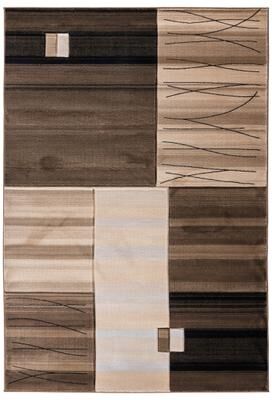
Polypropylene carpets are generally considered to be safe and non-toxic. They do not off-gas harmful chemicals and are resistant to mold and mildew, making them a good choice for those with allergies or respiratory issues. However, like any carpet, they can trap dust, dirt, and allergens, so regular cleaning and maintenance is important for maintaining a healthy indoor environment. Overall, polypropylene carpets are a safe and practical choice for many households. **


Similar search terms for Polypropylene
Top-Angebote
Products related to Polypropylene:
-
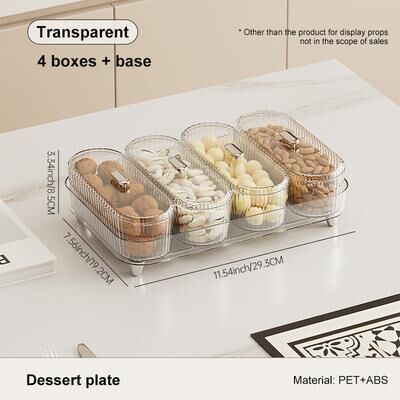
Rare Purchases Simple Style Nut And Dry Fruit Container With Lid, A Piece Of Home Living Fruit Bowl For Living Room transparentTransform your living space with A Piece of Home Living Fruit Bowl, the perfect blend of style and practicality. This simple style nut and dry fruit container with a lid adds a touch of elegance to any room while keeping your snacks organized and...56,97 $*Shipping: 0,00 $Secure redirect to the provider


-
Is polypropylene harmful to health?
Polypropylene is generally considered to be safe for use in consumer products and is not known to be harmful to health. It is non-toxic, non-reactive, and does not leach harmful chemicals when in contact with food or beverages. However, it is always recommended to use polypropylene products as intended and to avoid exposing them to high temperatures, as this can cause the material to break down and potentially release harmful substances. **
-
What is polypropylene made of?
Polypropylene is a type of thermoplastic polymer that is made from the monomer propylene. It is produced through a process called polymerization, in which propylene molecules are chemically bonded together to form long chains of polypropylene. This versatile material is commonly used in a wide range of products, including packaging, textiles, automotive components, and medical devices, due to its durability, flexibility, and resistance to moisture and chemicals. **
-
What is the difference between polypropylene ropes (PP ropes) and polypropylene multifilament ropes (PPM ropes)?
Polypropylene ropes (PP ropes) are made from a single monofilament, while polypropylene multifilament ropes (PPM ropes) are made from multiple filaments twisted together. PPM ropes are generally stronger and more durable than PP ropes due to the multiple filaments providing increased strength. PP ropes are typically more flexible and have a smoother texture compared to PPM ropes. **
-
What is the difference between Paracord polypropylene ropes (PP ropes) and polypropylene multifilament ropes (PPM ropes)?
Paracord polypropylene ropes are typically made of a braided outer sheath surrounding inner strands, providing added strength and durability. On the other hand, polypropylene multifilament ropes are made of multiple twisted strands, offering flexibility and a smoother texture. While both types of ropes are made of polypropylene material, Paracord ropes are generally more suitable for heavy-duty applications due to their construction, while PPM ropes are often used for lighter tasks requiring more flexibility. **

Is the smell of polypropylene a quality characteristic?
No, the smell of polypropylene is not considered a quality characteristic. Quality characteristics typically refer to measurable attributes of a product that affect its performance, durability, or appearance. The smell of polypropylene, while it may be noticeable, does not directly impact the quality or functionality of the material. Instead, quality characteristics for polypropylene may include factors such as tensile strength, chemical resistance, and thermal stability. **
How do polycyclic aromatic hydrocarbons affect polypropylene?
Polycyclic aromatic hydrocarbons (PAHs) can have a negative impact on polypropylene by reducing its mechanical properties and causing degradation. When PAHs come into contact with polypropylene, they can lead to discoloration, embrittlement, and a decrease in the material's tensile strength and impact resistance. This can result in a shorter lifespan and reduced performance of polypropylene products when exposed to PAHs. Therefore, it is important to consider the potential effects of PAHs on polypropylene when using this material in applications where PAH exposure is a concern. **
Top-Angebote
Products related to Polypropylene:
-
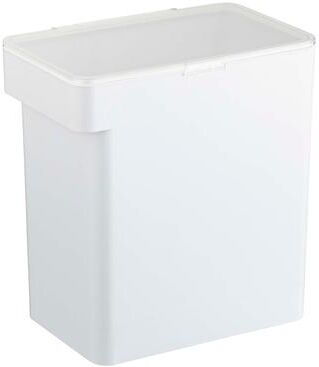
Yamazaki Home Rolling Airtight Pet Food Container (25 lbs.), Polypropylene, Extra Large, 6.6 gallons, 25 litersAIRTIGHT PET FOOD STORAGE: This airtight pet food storage container keeps both you and your dog or cat happy with fresh food in an attractively designed holder88,00 $*Shipping: 0,00 $Secure redirect to the provider
-
Victorinox Black Polypropylene 15cm Carving ForkThis Victorinox 15cm carving fork features a comfortable black polypropylene handle for a firm grip whilst in use. The two pronged carving fork holds the meat securely in place whilst carving. This 15cm carving fork is made from high carbon stainless steel for maximum strength. Manufactured in Switzerland.17,50 £*Shipping: 3,50 £Secure redirect to the provider
-
Rare Purchases Simple Style Nut And Dry Fruit Container With Lid, A Piece Of Home Living Fruit Bowl For Living Room transparentTransform your living space with A Piece of Home Living Fruit Bowl, the perfect blend of style and practicality. This simple style nut and dry fruit container with a lid adds a touch of elegance to any room while keeping your snacks organized and...56,97 $*Shipping: 0,00 $Secure redirect to the provider
-
How is polypropylene manufactured?
Polypropylene is manufactured through a process called polymerization, which involves the combination of propylene monomers to form long chains of polypropylene molecules. This process typically takes place in a reactor under high pressure and temperature, with the help of a catalyst to initiate the reaction. The resulting polypropylene resin can then be processed further into various products such as fibers, films, and containers through techniques like extrusion, injection molding, or blow molding. Overall, the manufacturing of polypropylene involves several steps to create the final versatile and durable material. **
-
Are polypropylene carpets unhealthy?
Polypropylene carpets are generally considered to be safe and non-toxic. They do not off-gas harmful chemicals and are resistant to mold and mildew, making them a good choice for those with allergies or respiratory issues. However, like any carpet, they can trap dust, dirt, and allergens, so regular cleaning and maintenance is important for maintaining a healthy indoor environment. Overall, polypropylene carpets are a safe and practical choice for many households. **
-
Is polypropylene harmful to health?
Polypropylene is generally considered to be safe for use in consumer products and is not known to be harmful to health. It is non-toxic, non-reactive, and does not leach harmful chemicals when in contact with food or beverages. However, it is always recommended to use polypropylene products as intended and to avoid exposing them to high temperatures, as this can cause the material to break down and potentially release harmful substances. **
-
What is polypropylene made of?
Polypropylene is a type of thermoplastic polymer that is made from the monomer propylene. It is produced through a process called polymerization, in which propylene molecules are chemically bonded together to form long chains of polypropylene. This versatile material is commonly used in a wide range of products, including packaging, textiles, automotive components, and medical devices, due to its durability, flexibility, and resistance to moisture and chemicals. **
Similar search terms for Polypropylene
-
Yamazaki Home Airtight Pet Food Container - Three Sizes, Polypropylene, Large, 15 lbs., 3.2 gallons, 12 quartsAIRTIGHT PET FOOD STORAGE: This airtight pet food storage container keeps both you and your dog or cat happy with fresh food in an attractively designed holder62,00 $*Shipping: 0,00 $Secure redirect to the provider
-
Yamazaki Home Airtight Pet Food Container - Three Sizes, Polypropylene, Large, 15 lbs., 3.2 gallons, 12 quartsAIRTIGHT PET FOOD STORAGE: This airtight pet food storage container keeps both you and your dog or cat happy with fresh food in an attractively designed holder64,49 $*Shipping: 0,00 $Secure redirect to the provider
-
What is the difference between polypropylene ropes (PP ropes) and polypropylene multifilament ropes (PPM ropes)?
Polypropylene ropes (PP ropes) are made from a single monofilament, while polypropylene multifilament ropes (PPM ropes) are made from multiple filaments twisted together. PPM ropes are generally stronger and more durable than PP ropes due to the multiple filaments providing increased strength. PP ropes are typically more flexible and have a smoother texture compared to PPM ropes. **
-
What is the difference between Paracord polypropylene ropes (PP ropes) and polypropylene multifilament ropes (PPM ropes)?
Paracord polypropylene ropes are typically made of a braided outer sheath surrounding inner strands, providing added strength and durability. On the other hand, polypropylene multifilament ropes are made of multiple twisted strands, offering flexibility and a smoother texture. While both types of ropes are made of polypropylene material, Paracord ropes are generally more suitable for heavy-duty applications due to their construction, while PPM ropes are often used for lighter tasks requiring more flexibility. **
-
Is the smell of polypropylene a quality characteristic?
No, the smell of polypropylene is not considered a quality characteristic. Quality characteristics typically refer to measurable attributes of a product that affect its performance, durability, or appearance. The smell of polypropylene, while it may be noticeable, does not directly impact the quality or functionality of the material. Instead, quality characteristics for polypropylene may include factors such as tensile strength, chemical resistance, and thermal stability. **
-
How do polycyclic aromatic hydrocarbons affect polypropylene?
Polycyclic aromatic hydrocarbons (PAHs) can have a negative impact on polypropylene by reducing its mechanical properties and causing degradation. When PAHs come into contact with polypropylene, they can lead to discoloration, embrittlement, and a decrease in the material's tensile strength and impact resistance. This can result in a shorter lifespan and reduced performance of polypropylene products when exposed to PAHs. Therefore, it is important to consider the potential effects of PAHs on polypropylene when using this material in applications where PAH exposure is a concern. **
* All prices are inclusive of VAT and, if applicable, plus shipping costs. The offer information is based on the details provided by the respective shop and is updated through automated processes. Real-time updates do not occur, so deviations can occur in individual cases. ** Note: Parts of this content were created by AI.