Buy c-a-n.eu ?
We are moving the project
c-a-n.eu .
Are you interested in purchasing the domain
c-a-n.eu ?
domain@kv-gmbh.de · 0541-91531010
Buy c-a-n.eu ?
How can you seal a natural stone pond?
To seal a natural stone pond, you can use a water-based sealant specifically designed for natural stone. Before applying the sealant, make sure the surface of the stone is clean and dry. Apply the sealant evenly using a brush or roller, and allow it to dry completely before filling the pond with water. It's important to choose a sealant that is safe for aquatic life and will not harm the plants or animals in the pond. Additionally, regular maintenance and reapplication of the sealant may be necessary to ensure the pond remains properly sealed. **
How can one seal a pond with silicone sealant?
To seal a pond with silicone sealant, first, drain the pond completely and allow it to dry. Clean the surface of the pond thoroughly to remove any debris or algae. Apply the silicone sealant to any cracks or gaps in the pond liner, making sure to cover the entire area that needs sealing. Allow the sealant to cure according to the manufacturer's instructions before refilling the pond with water. **

Similar search terms for Pond
Top-Angebote
Products related to Pond:
-
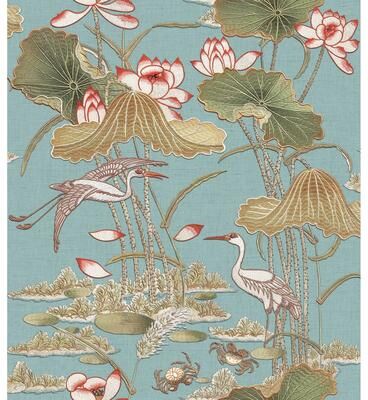
York Wallcoverings Lotus Pond Purple & Pink WallpaperAsian images of a floating world filled with lily pads, lotus flowers, and still waters match Lily Pond's classic sophistication. This Lotus Pond Wallpaper measures approximately 27 inches wide by 27 feet long, covering About 60.8 square feet per roll.144,50 $*Shipping: 0,00 $Secure redirect to the provider



-
How many pond snails are there in a 10,000-liter pond?
The number of pond snails in a 10,000-liter pond can vary depending on factors such as food availability, water quality, and predation. However, a rough estimate could be around 100-200 pond snails per liter of water, which would mean there could be approximately 1,000,000-2,000,000 pond snails in a 10,000-liter pond. It's important to note that this is just an estimate and the actual number could be higher or lower. **
-
What should be considered when creating a garden pond or natural pond?
When creating a garden pond or natural pond, it is important to consider the location and size of the pond. The pond should be situated in an area that receives a good amount of sunlight but is also protected from strong winds. Additionally, the size of the pond should be appropriate for the space and should be deep enough to support aquatic life. It is also important to consider the type of plants and wildlife that will be introduced to the pond, as well as the maintenance required to keep the pond healthy and thriving. Finally, the ecosystem of the pond should be carefully balanced to ensure the health and sustainability of the pond. **
-
What is a saltwater pond?
A saltwater pond is a body of water that contains high levels of salt, typically found near coastal areas or in regions with high evaporation rates. These ponds can vary in size from small pools to large bodies of water and are often connected to the ocean through channels or inlets. Saltwater ponds can support unique ecosystems with specialized plants and animals that have adapted to the high salinity levels. **
-
Is a pond always artificial?
No, a pond is not always artificial. A pond can be natural, formed by various natural processes such as glacial activity, erosion, or volcanic activity. Natural ponds can also be formed by the accumulation of rainwater or groundwater in depressions in the landscape. Artificial ponds, on the other hand, are intentionally created by humans for various purposes such as irrigation, livestock watering, or decorative landscaping. **

Are pond mussels edible?
Yes, pond mussels are edible and can be consumed by humans. However, it is important to ensure that the mussels are harvested from clean and unpolluted waters, as they can accumulate toxins and pollutants from their environment. It is also important to properly clean and cook the mussels to reduce the risk of foodborne illness. Additionally, it is recommended to check with local regulations and guidelines for harvesting and consuming wild mussels. **
What are pond zones?
Pond zones are different areas within a pond that have distinct characteristics and support different types of plant and animal life. These zones can include the littoral zone, which is the shallow area near the shore where aquatic plants grow; the limnetic zone, which is the open water area where phytoplankton and zooplankton thrive; and the profundal zone, which is the deep, dark area where decomposing organic matter accumulates. Each zone plays a unique role in the pond ecosystem and contributes to its overall health and biodiversity. **
Top-Angebote
Products related to Pond:
-
York Wallcoverings Lotus Pond Purple & Pink WallpaperAsian images of a floating world filled with lily pads, lotus flowers, and still waters match Lily Pond's classic sophistication. This Lotus Pond Wallpaper measures approximately 27 inches wide by 27 feet long, covering About 60.8 square feet per roll.144,50 $*Shipping: 0,00 $Secure redirect to the provider
-
How can you seal a natural stone pond?
To seal a natural stone pond, you can use a water-based sealant specifically designed for natural stone. Before applying the sealant, make sure the surface of the stone is clean and dry. Apply the sealant evenly using a brush or roller, and allow it to dry completely before filling the pond with water. It's important to choose a sealant that is safe for aquatic life and will not harm the plants or animals in the pond. Additionally, regular maintenance and reapplication of the sealant may be necessary to ensure the pond remains properly sealed. **
-
How can one seal a pond with silicone sealant?
To seal a pond with silicone sealant, first, drain the pond completely and allow it to dry. Clean the surface of the pond thoroughly to remove any debris or algae. Apply the silicone sealant to any cracks or gaps in the pond liner, making sure to cover the entire area that needs sealing. Allow the sealant to cure according to the manufacturer's instructions before refilling the pond with water. **
-
How many pond snails are there in a 10,000-liter pond?
The number of pond snails in a 10,000-liter pond can vary depending on factors such as food availability, water quality, and predation. However, a rough estimate could be around 100-200 pond snails per liter of water, which would mean there could be approximately 1,000,000-2,000,000 pond snails in a 10,000-liter pond. It's important to note that this is just an estimate and the actual number could be higher or lower. **
-
What should be considered when creating a garden pond or natural pond?
When creating a garden pond or natural pond, it is important to consider the location and size of the pond. The pond should be situated in an area that receives a good amount of sunlight but is also protected from strong winds. Additionally, the size of the pond should be appropriate for the space and should be deep enough to support aquatic life. It is also important to consider the type of plants and wildlife that will be introduced to the pond, as well as the maintenance required to keep the pond healthy and thriving. Finally, the ecosystem of the pond should be carefully balanced to ensure the health and sustainability of the pond. **
Similar search terms for Pond
-
What is a saltwater pond?
A saltwater pond is a body of water that contains high levels of salt, typically found near coastal areas or in regions with high evaporation rates. These ponds can vary in size from small pools to large bodies of water and are often connected to the ocean through channels or inlets. Saltwater ponds can support unique ecosystems with specialized plants and animals that have adapted to the high salinity levels. **
-
Is a pond always artificial?
No, a pond is not always artificial. A pond can be natural, formed by various natural processes such as glacial activity, erosion, or volcanic activity. Natural ponds can also be formed by the accumulation of rainwater or groundwater in depressions in the landscape. Artificial ponds, on the other hand, are intentionally created by humans for various purposes such as irrigation, livestock watering, or decorative landscaping. **
-
Are pond mussels edible?
Yes, pond mussels are edible and can be consumed by humans. However, it is important to ensure that the mussels are harvested from clean and unpolluted waters, as they can accumulate toxins and pollutants from their environment. It is also important to properly clean and cook the mussels to reduce the risk of foodborne illness. Additionally, it is recommended to check with local regulations and guidelines for harvesting and consuming wild mussels. **
-
What are pond zones?
Pond zones are different areas within a pond that have distinct characteristics and support different types of plant and animal life. These zones can include the littoral zone, which is the shallow area near the shore where aquatic plants grow; the limnetic zone, which is the open water area where phytoplankton and zooplankton thrive; and the profundal zone, which is the deep, dark area where decomposing organic matter accumulates. Each zone plays a unique role in the pond ecosystem and contributes to its overall health and biodiversity. **
* All prices are inclusive of VAT and, if applicable, plus shipping costs. The offer information is based on the details provided by the respective shop and is updated through automated processes. Real-time updates do not occur, so deviations can occur in individual cases. ** Note: Parts of this content were created by AI.