Buy c-a-n.eu ?
We are moving the project
c-a-n.eu .
Are you interested in purchasing the domain
c-a-n.eu ?
domain@kv-gmbh.de · 0541-91531010
Buy c-a-n.eu ?
How do you replace the pump seal of a washing machine?
To replace the pump seal of a washing machine, you will need to first unplug the machine and turn off the water supply. Next, locate the pump, which is usually at the bottom of the machine. Remove the pump by disconnecting the hoses and unscrewing any bolts holding it in place. Once the pump is out, carefully remove the old seal and replace it with a new one. Reassemble the pump, reconnect the hoses, and test the machine to ensure the seal is working properly. **
How long do I pump at 30°C?
When pumping at 30°C, the duration of pumping will depend on the specific requirements of the task or process you are performing. It is important to consider factors such as the viscosity of the fluid being pumped, the distance the fluid needs to be moved, and the flow rate needed. It is recommended to consult the pump manufacturer's guidelines or specifications to determine the appropriate pumping duration at 30°C for optimal performance and efficiency. **

Similar search terms for Pump
Top-Angebote
Products related to Pump:

-
What is the difference between a house water pump with a centrifugal pump and a house water pump with a piston pump?
A house water pump with a centrifugal pump uses a rotating impeller to create a centrifugal force that pushes the water through the pump and into the plumbing system. This type of pump is typically used for higher flow rates and lower pressure applications. On the other hand, a house water pump with a piston pump uses a reciprocating piston to draw water into the pump and then push it out into the plumbing system. This type of pump is better suited for higher pressure applications and is often used in smaller, more compact systems. **
-
What is the name of this udder seal on a heat pump?
The udder seal on a heat pump is commonly known as a grommet or a gasket. It is a rubber or plastic seal that is used to create a watertight and airtight seal between different components of the heat pump, such as the pipes and the housing. The grommet helps to prevent leaks and ensure the efficient operation of the heat pump. **
-
'Aluminum or plastic lid?'
When choosing between an aluminum or plastic lid, it is important to consider the intended use and environmental impact. Aluminum lids are more durable and can be recycled, making them a more sustainable option. However, plastic lids are lightweight and often more cost-effective. Ultimately, the decision between aluminum or plastic lids will depend on individual preferences and priorities. **
-
Aluminum or plastic lid?
When choosing between an aluminum or plastic lid, it depends on the specific use and preferences. Aluminum lids are more durable and can withstand higher temperatures, making them suitable for cooking or baking. On the other hand, plastic lids are lightweight, easy to clean, and often more affordable, making them a good choice for food storage containers or disposable items. Ultimately, the decision between aluminum or plastic lids will depend on the intended use and personal preferences. **
Is a lye pump the same as a circulation pump?
No, a lye pump and a circulation pump are not the same. A lye pump is specifically designed to handle the pumping of lye, which is a caustic and corrosive substance used in various industrial processes. On the other hand, a circulation pump is a general term for a pump that is used to circulate a fluid within a system, such as in heating or cooling systems. While both pumps are used to move fluids, they are designed for different purposes and handle different types of substances. **
What is the direction of rotation of the pump pliers when tightening a nut?
When tightening a nut using pump pliers, the direction of rotation is clockwise. Turning the pliers in a clockwise direction will tighten the nut by applying pressure and securing it in place. It is important to ensure a firm grip on the nut and use steady, controlled movements to avoid damaging the nut or the surrounding components. **
Top-Angebote
Products related to Pump:
-
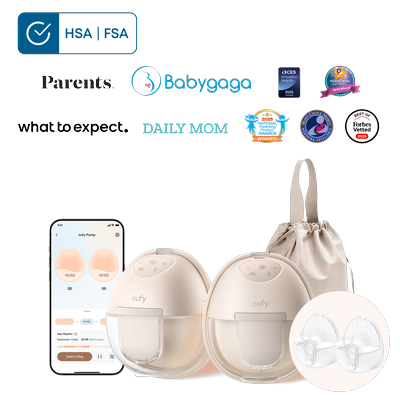
eufy Wearable Breast Pump S1 + Milk Container eufy Breast Pump S1 + Milk ContainerHSA/FSA Eligible: Save with pre-tax health dollars. eufy Wearable Breast Pump S1 The Innovative Heated Wearable Breast Pump: Groundbreaking HeatFlow™ technology prevents clogs and boosts your output by 30%¹. Enjoy high-efficiency pumping with...229,99 $*Shipping: 0,00 $Secure redirect to the provider
-
How do you replace the pump seal of a washing machine?
To replace the pump seal of a washing machine, you will need to first unplug the machine and turn off the water supply. Next, locate the pump, which is usually at the bottom of the machine. Remove the pump by disconnecting the hoses and unscrewing any bolts holding it in place. Once the pump is out, carefully remove the old seal and replace it with a new one. Reassemble the pump, reconnect the hoses, and test the machine to ensure the seal is working properly. **
-
How long do I pump at 30°C?
When pumping at 30°C, the duration of pumping will depend on the specific requirements of the task or process you are performing. It is important to consider factors such as the viscosity of the fluid being pumped, the distance the fluid needs to be moved, and the flow rate needed. It is recommended to consult the pump manufacturer's guidelines or specifications to determine the appropriate pumping duration at 30°C for optimal performance and efficiency. **
-
What is the difference between a house water pump with a centrifugal pump and a house water pump with a piston pump?
A house water pump with a centrifugal pump uses a rotating impeller to create a centrifugal force that pushes the water through the pump and into the plumbing system. This type of pump is typically used for higher flow rates and lower pressure applications. On the other hand, a house water pump with a piston pump uses a reciprocating piston to draw water into the pump and then push it out into the plumbing system. This type of pump is better suited for higher pressure applications and is often used in smaller, more compact systems. **
-
What is the name of this udder seal on a heat pump?
The udder seal on a heat pump is commonly known as a grommet or a gasket. It is a rubber or plastic seal that is used to create a watertight and airtight seal between different components of the heat pump, such as the pipes and the housing. The grommet helps to prevent leaks and ensure the efficient operation of the heat pump. **
Similar search terms for Pump
-
'Aluminum or plastic lid?'
When choosing between an aluminum or plastic lid, it is important to consider the intended use and environmental impact. Aluminum lids are more durable and can be recycled, making them a more sustainable option. However, plastic lids are lightweight and often more cost-effective. Ultimately, the decision between aluminum or plastic lids will depend on individual preferences and priorities. **
-
Aluminum or plastic lid?
When choosing between an aluminum or plastic lid, it depends on the specific use and preferences. Aluminum lids are more durable and can withstand higher temperatures, making them suitable for cooking or baking. On the other hand, plastic lids are lightweight, easy to clean, and often more affordable, making them a good choice for food storage containers or disposable items. Ultimately, the decision between aluminum or plastic lids will depend on the intended use and personal preferences. **
-
Is a lye pump the same as a circulation pump?
No, a lye pump and a circulation pump are not the same. A lye pump is specifically designed to handle the pumping of lye, which is a caustic and corrosive substance used in various industrial processes. On the other hand, a circulation pump is a general term for a pump that is used to circulate a fluid within a system, such as in heating or cooling systems. While both pumps are used to move fluids, they are designed for different purposes and handle different types of substances. **
-
What is the direction of rotation of the pump pliers when tightening a nut?
When tightening a nut using pump pliers, the direction of rotation is clockwise. Turning the pliers in a clockwise direction will tighten the nut by applying pressure and securing it in place. It is important to ensure a firm grip on the nut and use steady, controlled movements to avoid damaging the nut or the surrounding components. **
* All prices are inclusive of VAT and, if applicable, plus shipping costs. The offer information is based on the details provided by the respective shop and is updated through automated processes. Real-time updates do not occur, so deviations can occur in individual cases. ** Note: Parts of this content were created by AI.