Buy c-a-n.eu ?
We are moving the project
c-a-n.eu .
Are you interested in purchasing the domain
c-a-n.eu ?
domain@kv-gmbh.de · 0541-91531010
Buy c-a-n.eu ?
Is pure citric acid heat resistant?
Pure citric acid is heat resistant up to a certain temperature. It can withstand moderate heat, but if exposed to high temperatures for an extended period of time, it can degrade and lose its effectiveness. Therefore, it is important to use citric acid within its recommended temperature range to ensure its stability and effectiveness. **
Does wood start to burn at pure heat?
No, wood does not start to burn at pure heat. In order for wood to ignite and burn, it needs to reach its ignition temperature, which is typically around 300°C (572°F). This is the temperature at which the wood releases flammable gases that can then ignite and sustain a fire. Pure heat alone is not enough to start a fire in wood. **

Similar search terms for Puressentiel-Pure-Heat-Heat
Top-Angebote
Products related to Puressentiel-Pure-Heat-Heat:
-
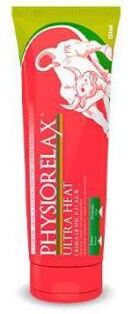
Physiorelax Ultra Heat Heat Cream 250 mlHealth and Beauty First aid kit Physiorelax Ultra Heat Heat Cream 250 ml Physiorelax Ultra Heat Plus is a heat-effect massage cream that you can use daily and on localized areas for greater effect. Its effectiveness comes from the careful combination of natural plant extracts. The high concentration of these ingredients, along with Capsaicin, Clove Oil, and Wintergreen Oil, makes it our most potent formula. This arnica cream is perfect for use before daily overexertion or as a complement to a sports warm-up. Intense heat - For ages 12+. Complete Helenalin2 formula. Perfect for daily or sports warm-ups. Recommended for localized areas: ankles, neck, shoulders, or knees. Other sizes: 250 mL24,29 £*Shipping: 3,99 £Secure redirect to the provider
-
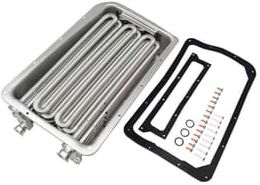
Rinnai N Series Replacement Secondary Heat ExchangerRinnai N Series Replacement Secondary Heat Exchanger. Specially designed for the Rinnai N Series model, this replacement part ensures your water heating system operates at its best. Benefits of Regular Maintenance: Enhanced Efficiency: Regular servicing can ensure that your water heater operates at peak efficiency, reducing energy bills. Longer Lifespan: Preventing buildup and replacing worn-out parts can significantly extend the life of your water heater. Safety: Ensuring that your appliance is in top condition minimizes the risk of leaks or malfunctions. Installation & Safety: Always ensure that installation and servicing are carried out by a qualified technician familiar with Rinnai products. Turn off the gas supply and disconne493,20 £*Shipping: 0,00 £Secure redirect to the provider
-
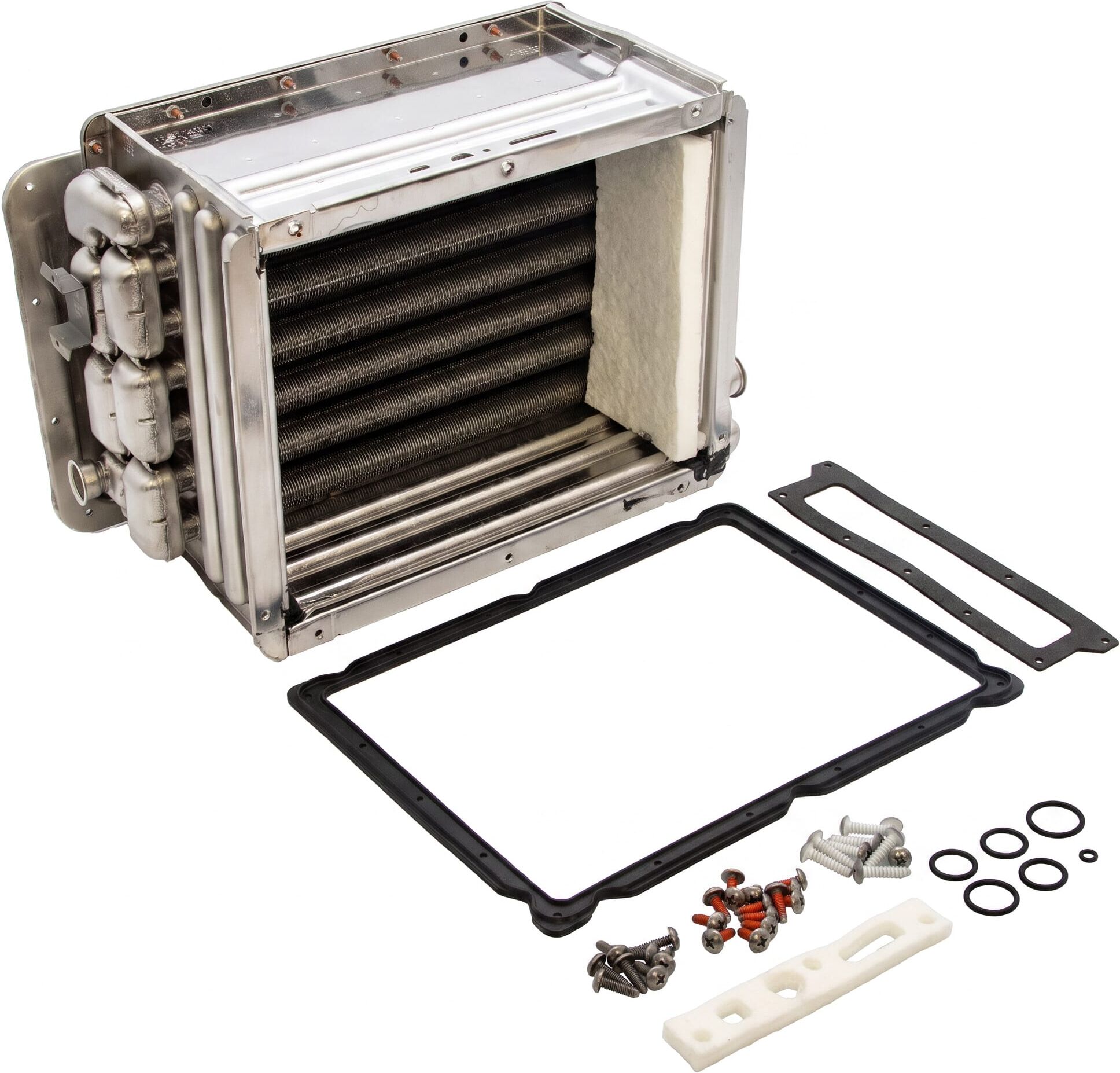
Rinnai N Series Replacement Heat Exchanger (1600)Rinnai N Series Replacement Heat Exchanger (1600) (PN-130) The heat exchanger is effectively the core of a Rinnai N1600 series water heater — its job is to transfer energy from the burner to the water passing through it, delivering hot water on demand without sacrificing efficiency or reliability. Its condition directly determines how well the whole appliance performs. This genuine Rinnai heat exchanger, specific to the 1600 model, is made to the original specification, built for reliable heat transfer and long-term durability. Where the existing heat exchanger has worn or is starting to underperform, fitting a genuine replacement restores the appliance's performance and helps prevent further issues developing. ⚠ Important: Installation and servicing must be carried out by a qualified technician familiar with Rinnai produ786,90 £*Shipping: 0,00 £Secure redirect to the provider
-
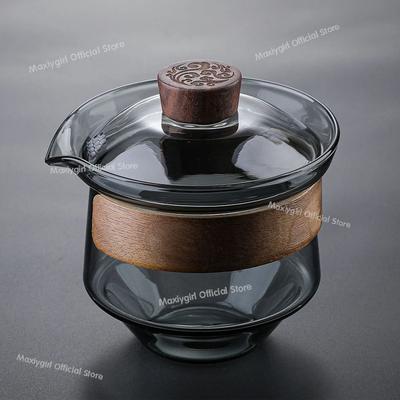
Uplift Treasures Japanese Heat Resistant Glass Gaiwan Tea Cup With Lid Japanese Heat Resistant Glass Gaiwan Tea Cup With LidProduct Description Experience the art of traditional tea brewing with this elegant Japanese Heat Resistant Glass Gaiwan. Designed for Gongfu and Puerh tea ceremonies, this beautifully crafted glass tea bowl allows you to fully appreciate the color...69,97 $*Shipping: 0,00 $Secure redirect to the provider
-
Does aluminum conduct heat well?
Yes, aluminum is a good conductor of heat. It has a thermal conductivity that is about four times greater than steel, making it an excellent choice for applications where heat transfer is important. This property of aluminum allows it to quickly and efficiently distribute heat, making it commonly used in cookware, heat sinks, and other thermal management applications. **
-
How can you seal a heat exchanger?
A heat exchanger can be sealed by using gaskets, O-rings, or welding. Gaskets and O-rings are commonly used to create a tight seal between the heat exchanger's components, preventing leaks and ensuring efficient heat transfer. Welding is another method to seal a heat exchanger, where the components are fused together using heat to create a permanent and strong seal. The choice of sealing method depends on the specific design and operating conditions of the heat exchanger. **
-
What is the difference between specific heat capacity and heat capacity c?
Specific heat capacity (c) is the amount of heat required to raise the temperature of a unit mass of a substance by one degree Celsius, while heat capacity (C) is the amount of heat required to raise the temperature of an entire object by one degree Celsius. Specific heat capacity is an intensive property, meaning it is independent of the amount of substance, while heat capacity is an extensive property that depends on the mass of the object. In other words, specific heat capacity is per unit mass, while heat capacity is for the entire object. **
-
How much heat does a heat radiator produce?
The amount of heat produced by a heat radiator depends on its size, design, and the temperature of the water or steam flowing through it. Generally, a heat radiator can produce enough heat to warm up a room or a specific area within a building. The heat output is measured in British Thermal Units (BTUs) or watts, and can vary depending on the specific model and its intended use. It's important to consider the heat output of a radiator when selecting the right one for a particular space. **
What is heat transfer in a heat exchanger?
Heat transfer in a heat exchanger is the process of exchanging thermal energy between two fluids at different temperatures. This transfer occurs through conduction, convection, or radiation, depending on the design of the heat exchanger. The goal of heat transfer in a heat exchanger is to efficiently and effectively transfer heat from one fluid to another, either to heat or cool the fluids involved. This process is essential in various industrial and commercial applications, such as HVAC systems, refrigeration, and power generation. **
Which material absorbs heat without storing heat?
A material that absorbs heat without storing it is one that has a high thermal conductivity and low heat capacity. This means that it can quickly absorb heat and transfer it away without retaining much of the heat energy. Examples of such materials include metals like aluminum and copper, as well as certain types of ceramics and carbon-based materials. These materials are often used in applications where rapid heat absorption and dissipation are required, such as in heat sinks for electronic devices or in cooking utensils. **
Top-Angebote
Products related to Puressentiel-Pure-Heat-Heat:
-
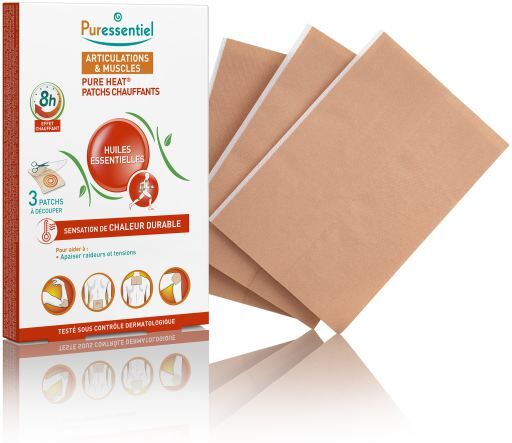
Puressentiel Pure Heat Heat Patches for Joints and Muscles, 3 pcsHealth and Beauty First aid kit Puressentiel Pure Heat Heat Patches for Joints and Muscles, 3 pcs Heating patches for muscles and joints help relax and relieve muscle tension. Its formula based on 100% natural ingredients, combining 14 essential oils and Capsicum, provides a pleasant sensation of heat for 8 hours, which promotes muscle relaxation. The flexible patch adapts to all movements. Heating patches for muscles and joints help relax and relieve muscle tension. Its formula is made from 100% natural ingredients, combining 14 essential oils (Cajeput, Roman Chamomile, Clove, Eucalyptus, Eastern Berry, Juniper, Lavandin, Marjoram, Mint, Niaouli, Nutmeg, Pine, Rosemary, Turpentine) and Capsicum. It provides a pleasant sensation of heat for 8 hours, which promotes muscle relaxation. The flexible patch adapts to all movements, is odorless, and can be cut to the desired size and applied directly to the following body areas: back, knees, neck, shoulders, elbows, wrists, thighs, calves. Directions: The patch should be applied to healthy, dry, non-greasy skin. It should not be applied to wounds, sensitive skin, the face, irritated skin, or mucous membranes, especially after waxing or shaving. Avoid applying it to areas of the body that may be constricted (tight clothing, the inner fold of the elbow, behind the knee, etc.). The patch produces a warming sensation, the intensity and duration of which varies depending on the individual's reaction. If you feel a burning sensation, develop a skin irritation, or develop an allergy, remove the patch immediately. Do not use it for more than 8 hours. Warnings: Not recommended for children under 15 years of age, pregnant or breastfeeding women, or people with a history of seizures or epileptic attacks. Do not use if you are allergic to salicylates or any of the ingredients. Keep out of reach of children.13,17 £*Shipping: 3,99 £Secure redirect to the provider
-
Physiorelax Ultra Heat Heat Cream 250 mlHealth and Beauty First aid kit Physiorelax Ultra Heat Heat Cream 250 ml Physiorelax Ultra Heat Plus is a heat-effect massage cream that you can use daily and on localized areas for greater effect. Its effectiveness comes from the careful combination of natural plant extracts. The high concentration of these ingredients, along with Capsaicin, Clove Oil, and Wintergreen Oil, makes it our most potent formula. This arnica cream is perfect for use before daily overexertion or as a complement to a sports warm-up. Intense heat - For ages 12+. Complete Helenalin2 formula. Perfect for daily or sports warm-ups. Recommended for localized areas: ankles, neck, shoulders, or knees. Other sizes: 250 mL24,29 £*Shipping: 3,99 £Secure redirect to the provider
-
Rinnai N Series Replacement Secondary Heat ExchangerRinnai N Series Replacement Secondary Heat Exchanger. Specially designed for the Rinnai N Series model, this replacement part ensures your water heating system operates at its best. Benefits of Regular Maintenance: Enhanced Efficiency: Regular servicing can ensure that your water heater operates at peak efficiency, reducing energy bills. Longer Lifespan: Preventing buildup and replacing worn-out parts can significantly extend the life of your water heater. Safety: Ensuring that your appliance is in top condition minimizes the risk of leaks or malfunctions. Installation & Safety: Always ensure that installation and servicing are carried out by a qualified technician familiar with Rinnai products. Turn off the gas supply and disconne493,20 £*Shipping: 0,00 £Secure redirect to the provider
-
Is pure citric acid heat resistant?
Pure citric acid is heat resistant up to a certain temperature. It can withstand moderate heat, but if exposed to high temperatures for an extended period of time, it can degrade and lose its effectiveness. Therefore, it is important to use citric acid within its recommended temperature range to ensure its stability and effectiveness. **
-
Does wood start to burn at pure heat?
No, wood does not start to burn at pure heat. In order for wood to ignite and burn, it needs to reach its ignition temperature, which is typically around 300°C (572°F). This is the temperature at which the wood releases flammable gases that can then ignite and sustain a fire. Pure heat alone is not enough to start a fire in wood. **
-
Does aluminum conduct heat well?
Yes, aluminum is a good conductor of heat. It has a thermal conductivity that is about four times greater than steel, making it an excellent choice for applications where heat transfer is important. This property of aluminum allows it to quickly and efficiently distribute heat, making it commonly used in cookware, heat sinks, and other thermal management applications. **
-
How can you seal a heat exchanger?
A heat exchanger can be sealed by using gaskets, O-rings, or welding. Gaskets and O-rings are commonly used to create a tight seal between the heat exchanger's components, preventing leaks and ensuring efficient heat transfer. Welding is another method to seal a heat exchanger, where the components are fused together using heat to create a permanent and strong seal. The choice of sealing method depends on the specific design and operating conditions of the heat exchanger. **
Similar search terms for Puressentiel-Pure-Heat-Heat
-
Rinnai N Series Replacement Heat Exchanger (1600)Rinnai N Series Replacement Heat Exchanger (1600) (PN-130) The heat exchanger is effectively the core of a Rinnai N1600 series water heater — its job is to transfer energy from the burner to the water passing through it, delivering hot water on demand without sacrificing efficiency or reliability. Its condition directly determines how well the whole appliance performs. This genuine Rinnai heat exchanger, specific to the 1600 model, is made to the original specification, built for reliable heat transfer and long-term durability. Where the existing heat exchanger has worn or is starting to underperform, fitting a genuine replacement restores the appliance's performance and helps prevent further issues developing. ⚠ Important: Installation and servicing must be carried out by a qualified technician familiar with Rinnai produ786,90 £*Shipping: 0,00 £Secure redirect to the provider
-
Uplift Treasures Japanese Heat Resistant Glass Gaiwan Tea Cup With Lid Japanese Heat Resistant Glass Gaiwan Tea Cup With LidProduct Description Experience the art of traditional tea brewing with this elegant Japanese Heat Resistant Glass Gaiwan. Designed for Gongfu and Puerh tea ceremonies, this beautifully crafted glass tea bowl allows you to fully appreciate the color...69,97 $*Shipping: 0,00 $Secure redirect to the provider
-
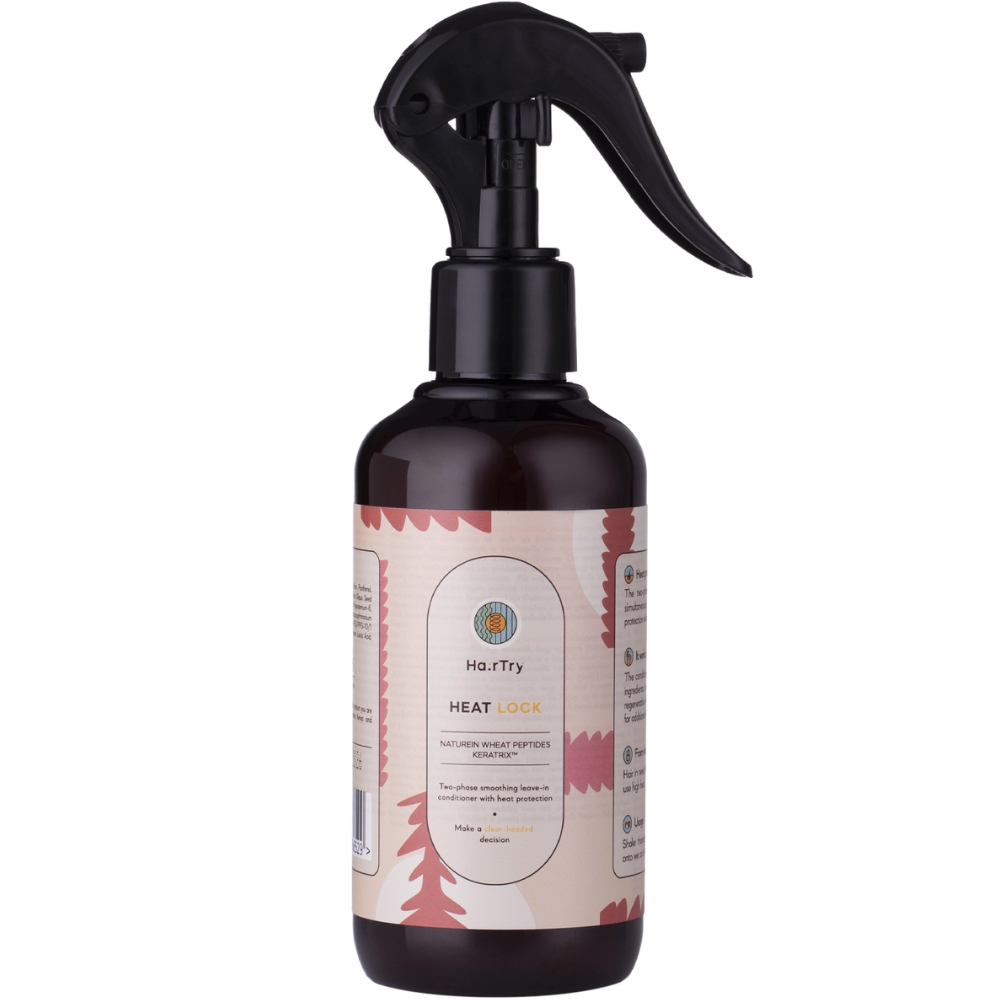
HairTry Heat Lock Leave-In Conditioner with Heat Protection 200mLA conditioner. Advanced Heat Protection: Shields hair from damage up to 230°C. Deep Moisture & Repair: KERATRIX™ and hydrolyzed wheat proteins strengthen and hydrate. Silky Smooth Results: Tames frizz, reduces breakage, and enhances shine. Easier Styling: Detangles hair while eliminating static and improving manageability.14,74 £*Shipping: 7,03 £Secure redirect to the provider
-
What is the difference between specific heat capacity and heat capacity c?
Specific heat capacity (c) is the amount of heat required to raise the temperature of a unit mass of a substance by one degree Celsius, while heat capacity (C) is the amount of heat required to raise the temperature of an entire object by one degree Celsius. Specific heat capacity is an intensive property, meaning it is independent of the amount of substance, while heat capacity is an extensive property that depends on the mass of the object. In other words, specific heat capacity is per unit mass, while heat capacity is for the entire object. **
-
How much heat does a heat radiator produce?
The amount of heat produced by a heat radiator depends on its size, design, and the temperature of the water or steam flowing through it. Generally, a heat radiator can produce enough heat to warm up a room or a specific area within a building. The heat output is measured in British Thermal Units (BTUs) or watts, and can vary depending on the specific model and its intended use. It's important to consider the heat output of a radiator when selecting the right one for a particular space. **
-
What is heat transfer in a heat exchanger?
Heat transfer in a heat exchanger is the process of exchanging thermal energy between two fluids at different temperatures. This transfer occurs through conduction, convection, or radiation, depending on the design of the heat exchanger. The goal of heat transfer in a heat exchanger is to efficiently and effectively transfer heat from one fluid to another, either to heat or cool the fluids involved. This process is essential in various industrial and commercial applications, such as HVAC systems, refrigeration, and power generation. **
-
Which material absorbs heat without storing heat?
A material that absorbs heat without storing it is one that has a high thermal conductivity and low heat capacity. This means that it can quickly absorb heat and transfer it away without retaining much of the heat energy. Examples of such materials include metals like aluminum and copper, as well as certain types of ceramics and carbon-based materials. These materials are often used in applications where rapid heat absorption and dissipation are required, such as in heat sinks for electronic devices or in cooking utensils. **
* All prices are inclusive of VAT and, if applicable, plus shipping costs. The offer information is based on the details provided by the respective shop and is updated through automated processes. Real-time updates do not occur, so deviations can occur in individual cases. ** Note: Parts of this content were created by AI.