Buy c-a-n.eu ?
We are moving the project
c-a-n.eu .
Are you interested in purchasing the domain
c-a-n.eu ?
domain@kv-gmbh.de · 0541-91531010
Buy c-a-n.eu ?
Why is coke C used in the lime shaft kiln?
Coke is used in the lime shaft kiln as a fuel source to provide the high temperatures necessary for the calcination process. Calcination is the process of heating limestone to a high temperature to drive off carbon dioxide, resulting in the production of lime (calcium oxide). Coke, which is a form of processed coal, is chosen for its high carbon content and ability to burn at high temperatures, making it an efficient fuel for the lime kiln. Additionally, coke produces a clean and consistent heat, which is important for maintaining the precise conditions required for the calcination process. **
Is it a mechanical shaft?
Without more context or information, it is difficult to determine if the object in question is a mechanical shaft. A mechanical shaft is typically a rotating component used to transmit power in machinery. To determine if the object is a mechanical shaft, one would need to examine its shape, size, material, and function within a larger system. If the object is cylindrical, metal, and part of a machine that requires rotational movement, it is possible that it could be a mechanical shaft. **

Similar search terms for Shaft
Top-Angebote
Products related to Shaft:
-
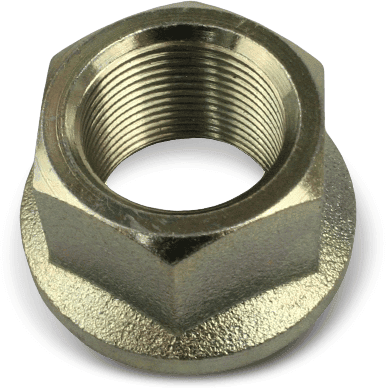
A.B.S. 911780 Axle Nut, drive shaftThread Size: M24x1.5; Thread Type: with right-hand thread; Height: 22; Spanner Size: 36; Flange Diameter [mm]: 47,5; Weight [g]: 30; Weight [kg]: 0,03; Fitting Position: Front Axle Left, Front Axle Right, Rear Axle Left, Rear Axle Right; Vehicle type: Captiva Sport7,59 £*Shipping: 8,45 £Secure redirect to the provider
-
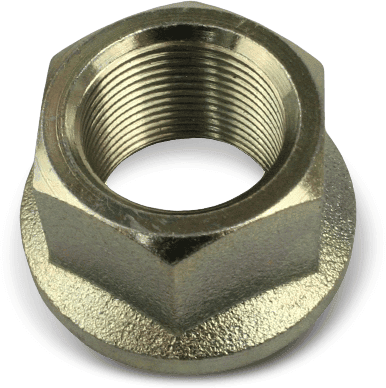
A.B.S. 911690 Axle Nut, drive shaftThread Size: M24X2.0; Thread Type: with right-hand thread; Height: 25; Spanner Size: 36; Flange Diameter [mm]: 54,3; Weight [g]: 170; Weight [kg]: 0,17; Fitting Position: Front Axle Left, Front Axle Right; Vehicle type: 300C, 3005,99 £*Shipping: 8,45 £Secure redirect to the provider
-
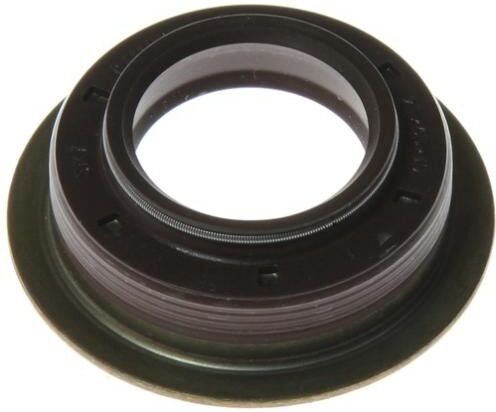
Euroricambi 95534999 Shaft Seal, manual transmission main shaftWeight [kg]: 0.025; Inner Diameter [mm]: 25; Outer Diameter [mm]: 40; Thickness: 15; Transmission Code: ZF ECOSPLIT III:, 8S151/16S151/16S181 , 16S221, ZF NEW ECOSPLIT III:, 16S2321/ 16S2520, ZF ECOSPLIT IV :, 12S233311,99 £*Shipping: 8,45 £Secure redirect to the provider


-
What is a supply shaft?
A supply shaft is a vertical or inclined tunnel used to transport materials, equipment, or personnel between the surface and underground mining operations. It serves as a vital lifeline for miners by providing access to the underground workings for ventilation, transportation, and the delivery of supplies. Supply shafts are typically equipped with cages or skips that move up and down the shaft to transport materials and personnel safely. These shafts are essential for the efficient operation of underground mines. **
-
How is a shaft constructed?
A shaft is typically constructed by first excavating the ground to the required depth and diameter. Then, a support structure such as steel or concrete lining is installed to stabilize the walls of the shaft and prevent collapse. The shaft may also be reinforced with additional materials such as rock bolts or shotcrete. Finally, the bottom of the shaft is often sealed with a concrete plug to provide a stable foundation for any structures or equipment that will be installed within the shaft. **
-
What is a transverse shaft?
A transverse shaft is a type of shaft that runs perpendicular to the direction of the main shaft or axis. It is commonly used in vehicles with front-wheel drive systems to transfer power from the engine to the front wheels. The transverse shaft helps distribute power evenly to the wheels, allowing for better traction and handling. This design is often used in compact cars and other vehicles where space is limited. **
-
What is the difference between a power take-off shaft and a drive shaft?
A power take-off (PTO) shaft is a type of drive shaft that transfers power from a vehicle's engine to an attachment or implement, such as a pump or generator. The main difference between a PTO shaft and a regular drive shaft is that a PTO shaft is specifically designed to transfer power to external equipment, while a drive shaft is typically used to transfer power within a vehicle's transmission or between different components of a vehicle. Additionally, PTO shafts are often detachable and can be connected and disconnected as needed, whereas a drive shaft is a permanent component of a vehicle's drivetrain. **

What about the shaft?
The shaft is a long, narrow part of a structure or object that typically provides support or serves as a passageway. In the context of machinery or equipment, the shaft is often used to transmit power or motion from one part to another. It is important to ensure that the shaft is properly aligned, lubricated, and maintained to prevent wear and damage, which can lead to equipment failure. **
What is the difference between a power take-off shaft and a universal joint shaft?
A power take-off (PTO) shaft is a mechanical component that transfers power from a tractor or other source to an implement or attachment. It is typically used in agricultural machinery and operates at a constant speed. On the other hand, a universal joint shaft is a flexible coupling that allows for the transfer of power between two shafts that are not in a straight line. It is commonly used in automotive and industrial applications and can accommodate changes in angle and distance between the shafts. In summary, the main difference between the two is their intended use and flexibility. **
Top-Angebote
Products related to Shaft:
-
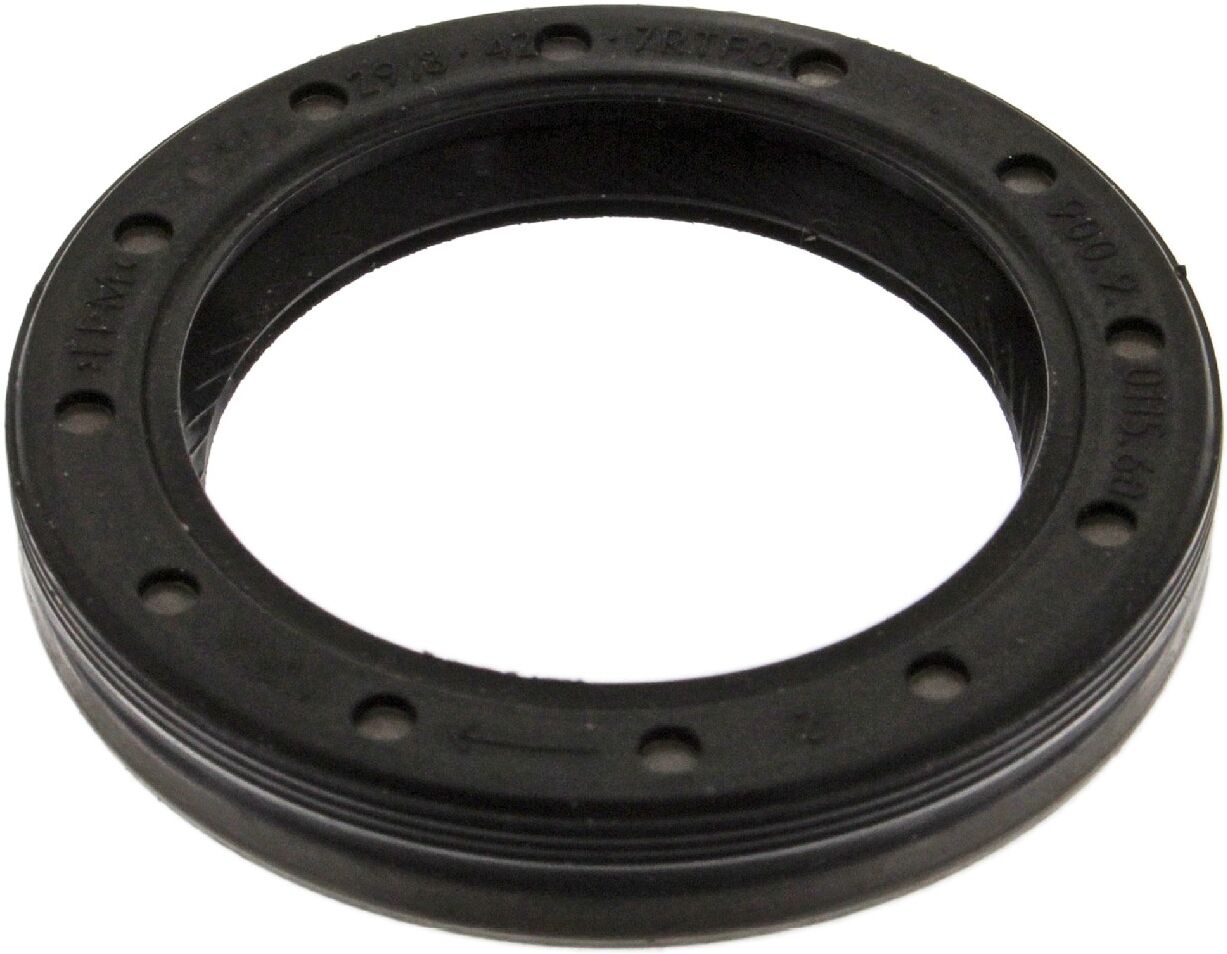
ELRING 921.483 Shaft Seal, intermediate shaftInner Diameter [mm]: 40; Outer Diameter [mm]: 98,8; Height: 11,6; Radial Shaft Seal Design: SP; Swirl Type: Right-hand Twist; Material: FPM (fluoride rubber); Supplementary Article / Supplementary Info Info 2: with mounting sleeve; Goods tariff number: 840999999019,99 £*Shipping: 8,45 £Secure redirect to the provider
-
A.B.S. 911780 Axle Nut, drive shaftThread Size: M24x1.5; Thread Type: with right-hand thread; Height: 22; Spanner Size: 36; Flange Diameter [mm]: 47,5; Weight [g]: 30; Weight [kg]: 0,03; Fitting Position: Front Axle Left, Front Axle Right, Rear Axle Left, Rear Axle Right; Vehicle type: Captiva Sport7,59 £*Shipping: 8,45 £Secure redirect to the provider
-
Why is coke C used in the lime shaft kiln?
Coke is used in the lime shaft kiln as a fuel source to provide the high temperatures necessary for the calcination process. Calcination is the process of heating limestone to a high temperature to drive off carbon dioxide, resulting in the production of lime (calcium oxide). Coke, which is a form of processed coal, is chosen for its high carbon content and ability to burn at high temperatures, making it an efficient fuel for the lime kiln. Additionally, coke produces a clean and consistent heat, which is important for maintaining the precise conditions required for the calcination process. **
-
Is it a mechanical shaft?
Without more context or information, it is difficult to determine if the object in question is a mechanical shaft. A mechanical shaft is typically a rotating component used to transmit power in machinery. To determine if the object is a mechanical shaft, one would need to examine its shape, size, material, and function within a larger system. If the object is cylindrical, metal, and part of a machine that requires rotational movement, it is possible that it could be a mechanical shaft. **
-
What is a supply shaft?
A supply shaft is a vertical or inclined tunnel used to transport materials, equipment, or personnel between the surface and underground mining operations. It serves as a vital lifeline for miners by providing access to the underground workings for ventilation, transportation, and the delivery of supplies. Supply shafts are typically equipped with cages or skips that move up and down the shaft to transport materials and personnel safely. These shafts are essential for the efficient operation of underground mines. **
-
How is a shaft constructed?
A shaft is typically constructed by first excavating the ground to the required depth and diameter. Then, a support structure such as steel or concrete lining is installed to stabilize the walls of the shaft and prevent collapse. The shaft may also be reinforced with additional materials such as rock bolts or shotcrete. Finally, the bottom of the shaft is often sealed with a concrete plug to provide a stable foundation for any structures or equipment that will be installed within the shaft. **
Similar search terms for Shaft
-
A.B.S. 911690 Axle Nut, drive shaftThread Size: M24X2.0; Thread Type: with right-hand thread; Height: 25; Spanner Size: 36; Flange Diameter [mm]: 54,3; Weight [g]: 170; Weight [kg]: 0,17; Fitting Position: Front Axle Left, Front Axle Right; Vehicle type: 300C, 3005,99 £*Shipping: 8,45 £Secure redirect to the provider
-
Euroricambi 95534999 Shaft Seal, manual transmission main shaftWeight [kg]: 0.025; Inner Diameter [mm]: 25; Outer Diameter [mm]: 40; Thickness: 15; Transmission Code: ZF ECOSPLIT III:, 8S151/16S151/16S181 , 16S221, ZF NEW ECOSPLIT III:, 16S2321/ 16S2520, ZF ECOSPLIT IV :, 12S233311,99 £*Shipping: 8,45 £Secure redirect to the provider
-
What is a transverse shaft?
A transverse shaft is a type of shaft that runs perpendicular to the direction of the main shaft or axis. It is commonly used in vehicles with front-wheel drive systems to transfer power from the engine to the front wheels. The transverse shaft helps distribute power evenly to the wheels, allowing for better traction and handling. This design is often used in compact cars and other vehicles where space is limited. **
-
What is the difference between a power take-off shaft and a drive shaft?
A power take-off (PTO) shaft is a type of drive shaft that transfers power from a vehicle's engine to an attachment or implement, such as a pump or generator. The main difference between a PTO shaft and a regular drive shaft is that a PTO shaft is specifically designed to transfer power to external equipment, while a drive shaft is typically used to transfer power within a vehicle's transmission or between different components of a vehicle. Additionally, PTO shafts are often detachable and can be connected and disconnected as needed, whereas a drive shaft is a permanent component of a vehicle's drivetrain. **
-
What about the shaft?
The shaft is a long, narrow part of a structure or object that typically provides support or serves as a passageway. In the context of machinery or equipment, the shaft is often used to transmit power or motion from one part to another. It is important to ensure that the shaft is properly aligned, lubricated, and maintained to prevent wear and damage, which can lead to equipment failure. **
-
What is the difference between a power take-off shaft and a universal joint shaft?
A power take-off (PTO) shaft is a mechanical component that transfers power from a tractor or other source to an implement or attachment. It is typically used in agricultural machinery and operates at a constant speed. On the other hand, a universal joint shaft is a flexible coupling that allows for the transfer of power between two shafts that are not in a straight line. It is commonly used in automotive and industrial applications and can accommodate changes in angle and distance between the shafts. In summary, the main difference between the two is their intended use and flexibility. **
* All prices are inclusive of VAT and, if applicable, plus shipping costs. The offer information is based on the details provided by the respective shop and is updated through automated processes. Real-time updates do not occur, so deviations can occur in individual cases. ** Note: Parts of this content were created by AI.